
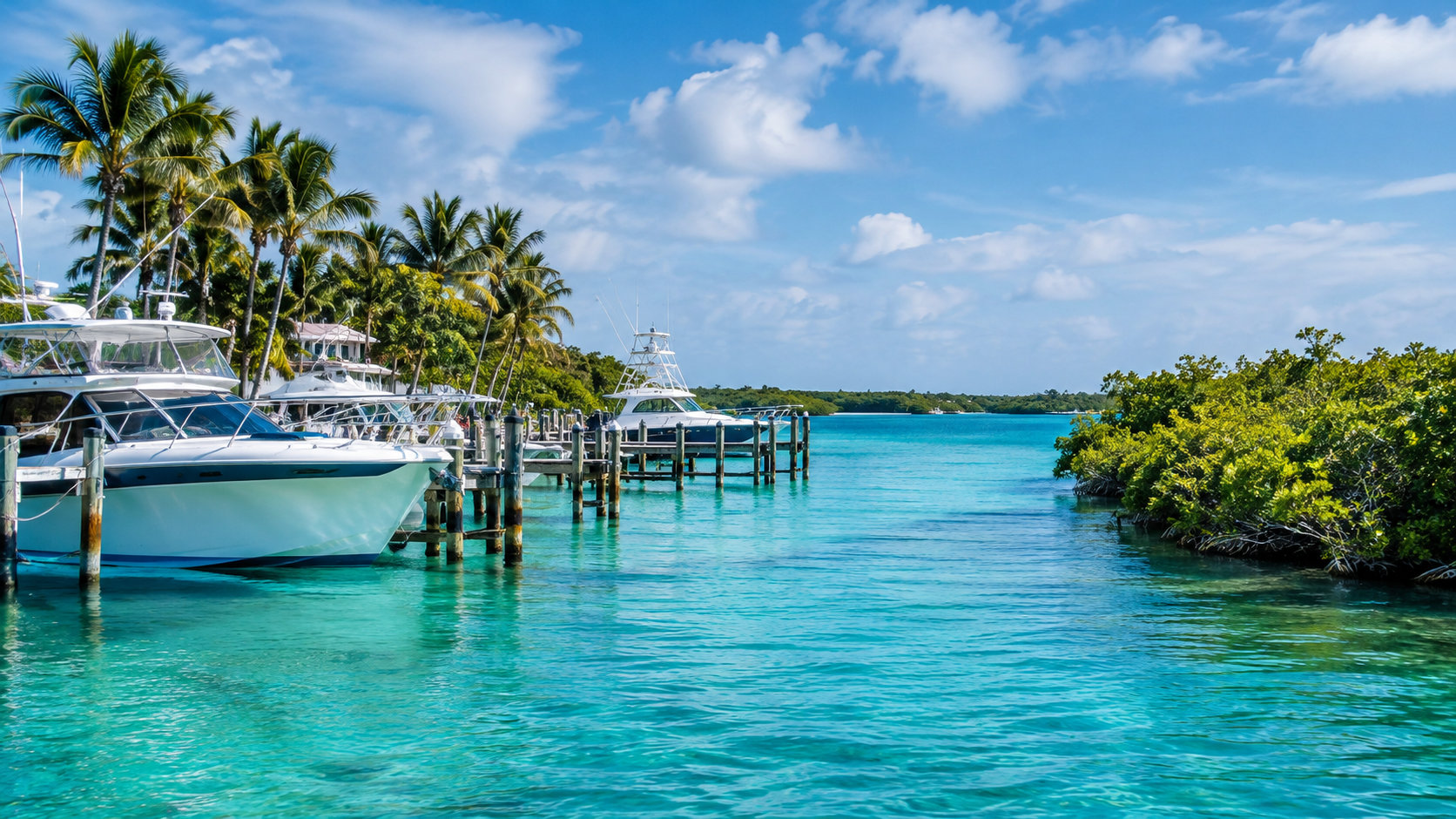
What travelers mean by “Blue Water Marina” in Florida
Ask three captains about “Blue Water Marina” in Florida and you’ll likely get three different pins. Several marinas around the state trade on the Blue Water or Bluewater name, from the Upper Keys to Miami and up the Gulf coast. When someone says, “Meet me at Blue Water,” pause and verify the exact city and street address before you set a course. A quick double-check of the marina’s official website, published phone number, and map location will save a wrong-turn at dusk.
Across Florida, a Blue Water–branded facility usually signals a working marina with transient slips, fuel, and day-charter departures. You’ll see them as staging points for reef snorkels and sandbar runs in the Keys, harbor-hopping in Biscayne Bay, or fishing trips along the Gulf. Amenities vary by location, but most have the core services boaters need for a night at the dock or a supply stop before offshore plans.
Where you’ll find Blue Water Marina options
Florida Keys
From Key Largo down to Key West, the name pops up often. Key Largo’s bayside and oceanside marinas around mile markers 92–100 tend to focus on reef and wreck access—Molasses Reef, French Reef, and Spiegel Grove are all close. Islamorada (MM 74–86) is charter central with flats, backcountry, and reef boats loading daily. Marathon, around the Seven Mile Bridge, offers mid-Keys convenience and easy runs to Sombrero Reef. Key West harbors mix live-aboard communities with high-turnover transient docks and sunset charters bound for the Northwest Channel. If a captain says “Blue Water Marina in the Keys,” ask, “Which island and mile marker?” Then confirm how far the marina is from your intended reef or sandbar.
Miami & Biscayne Bay
In the city, Blue Water–named marinas usually sit near the causeways or the Miami River. They work well for boaters combining a city stay with day trips to Stiltsville, Elliott Key, or Nixon Beach sandbar. Expect heavier traffic on weekends, mixed currents near inlets, and a taxi or rideshare hop to South Beach or Brickell if you’re staying aboard. If you plan to island-hop, check the distance to Dinner Key, No Name Harbor at Bill Baggs Cape Florida, and the nearest fuel dock before you book.
Gulf Coast
On the west side of the peninsula, you’ll find Blue Water and Bluewater names tied to marinas from Naples and Marco Island up through Fort Myers Beach, Sanibel-Captiva, Pine Island Sound, then farther north in Sarasota and Tampa Bay. Depths and inlet character change quickly along this coast. Naples Bay and Gordon Pass give quick Gulf access; Estero and Matanzas Pass can shoal after blows; Sarasota’s Big Pass and Longboat Pass reward careful timing. Pick your marina for both its services and its run time to your target—Cabbage Key burgers, Boca Grande Pass tarpon, Egmont Key sand, or a sunset drift off Venice Pier.
Amenities and services to expect
Most Blue Water Marina locations are built for transient traffic and regulars. Expect floating or fixed docks with 30/50-amp shore power and freshwater at the pedestal, plus staff who know the approach channel quirks better than any chart note. You’ll usually find gas and diesel, pump-out service, bags or blocks of ice, and a ship’s store with basics like oil, filters, fenders, sunscreen, and a few emergency parts.
Shore-side, clean restrooms, hot showers, and coin or app-based laundry are common. Wi‑Fi generally covers the slips close to the office, with variable strength at the far ends of long piers. Parking is either on-site or immediately adjacent; some marinas keep dock carts and hand trucks handy at the gangway. A working harbormaster and dockhands on VHF simplify arrivals, fuel stops, and line handling, especially on windy days or against a pushy current.
Booking and slip reservation tips
Florida’s peak boating months run December through April, with holiday spikes that can book marinas solid. Call ahead, even if you plan to use an online reservation system, and confirm your check-in window and after-hours docking plan. If you’re tight on daylight, ask whether staff can meet you or if they’ll text dock and gate codes along with a dock diagram.
Have your boat details ready: LOA (including pulpit and dinghy), beam, draft, shore power needs (30A, 50A, splitters), and proof of insurance. Share your approach from seaward or inland; dock teams often give better guidance when they know which markers you’ll see first. Ask about controlling depth in the approach channel, tide range, and any unlit stakes. If the marina is in a manatee slow zone or has a narrow basin, plan on idle speed and patient maneuvering.
Before you pay a deposit, review cancellation windows, minimum-stay rules on holidays, and liveaboard policies if you’re sleeping aboard for more than a night or two. Some marinas meter power or charge a flat daily utility fee; others add Wi‑Fi or pump-out to the bill. If your itinerary is flexible, ask about weekday versus weekend rates and whether shoulder-season discounts apply in late spring or early fall.
Boating conditions and blue‑water access
Depths & channels
Florida’s clear “blue water” sits surprisingly close—especially in the Keys—but so do shoals and seagrass flats. Verify the approach depth versus your draft and watch for shifting sand near inlets after strong fronts. In the Keys, run marked channels and avoid shortcutting across flats; the fines and prop scars aren’t worth it. Many reefs offer public mooring buoys; check the chart and plan your arrival with daylight to spot color changes, crab pots, and markers. Updated electronic charts and local paper backups make a smart tandem.
Weather & seasons
Winter brings cold fronts and brisk north winds that stack short chop on the reef line. Summer calms the sea in the morning but fires off fast-moving thunderstorms after lunch. Tropical systems can alter channels and docks; if you’re visiting during hurricane season (June–November), keep a weather eye on the forecast, and clarify the marina’s storm policy. For Keys-specific marine forecasts—winds, seas, and small craft advisories—check the National Weather Service Key West marine forecast before you cast off.
Local rules
Protective zones and no-wake areas are common near marinas and flats. The Florida Keys have additional sanctuary regulations governing reef etiquette, discharge bans, and mooring buoy use. Review guidance from the NOAA Florida Keys National Marine Sanctuary if your plans include snorkeling, diving, or tying to buoys on named reefs. Keep VHF 16 on for safety calls and notices, then move to working channels when hailing your marina or charter boat.
Tours and charters departing from Blue Water Marina
Many Blue Water Marina locations double as launchpads for day tours and charters. The lineup usually includes reef snorkel trips, sail catamarans on sunset duty, sandbar shuttles with paddleboards and floats, and a roster of fishing captains who split time between flats, reef, wreck, and offshore runs.
- Snorkel and sail catamarans: Two- to four-hour trips to nearby reefs, often with gear included. In the Keys, you might visit Sand Key, Sombrero, Looe Key, or French Reef depending on wind and visibility. Crews typically carry flotation and basic instruction—ask about wetsuits in winter and shaded seating in summer.
- Sandbar trips: Half-day runs to calm, shallow spots like Islamorada’s Whale Harbor flats, Marathon’s Content Keys side, or Miami’s Haulover and Nixon sandbars. BYO snacks and a waterproof phone pouch.
- Eco tours and Everglades outings: From Miami or the Upper Keys, guides run into Biscayne Bay’s mangrove fringes or up toward Florida Bay to look for rays, turtles, roosting birds, and, with luck, dolphins. Airboat tours operate on the Everglades side; ask your marina which outfit departs closest.
- Fishing charters: Flats skiffs for bonefish, permit, and tarpon; bay boats for snook and redfish; reef and wreck charters for grouper, snapper, and amberjack; and offshore trolling for mahi, sailfish, tuna, and wahoo. Ask about licenses (usually included on charters), target species by season, and whether they clean your catch at the dock.
Before you book, confirm safety gear, permits, and what’s included—tackle, bait, ice, drinking water, and snorkel kits vary by operator. All vessels must meet federal safety requirements; if you’re uncertain about life jacket carriage or kid-specific rules, check guidance from the U.S. Coast Guard Boating Safety site and make sure your chosen trip complies.
Nearby dining, beaches, and places to stay
Marinas live on waterfront fare. Expect a rotation of seafood shacks, marina grills with fish sandwiches and conch fritters, and tiki bars slinging frozen concoctions at sunset. In the Keys, you’ll often find walkable dining next door to the dock; in Miami, choices sprawl, but rideshare is fast and plentiful. On the Gulf coast, many marinas sit beside low-key waterside restaurants where you can watch the shrimpers and charter boats unload as you eat.
If beach time is on the list, map the distance before you book your slip. From a Keys marina, you might be 10–20 minutes from the sandy stretches at Bahia Honda State Park or Smathers Beach, while Miami’s marinas can be a 5–15 minute drive to South Pointe or Crandon Park. On the Gulf side, check proximity to Delnor-Wiggins Pass, Bonita Beach, Bowditch Point, Siesta Key, or Fort De Soto depending on your city.
For overnights on land, look at small inns, hotels, or vacation rentals that confirm trailer or boat-gear parking if you’re hauling. Some properties partner with marinas for slip-and-stay deals; others simply have the right lot and hose bib to rinse cooler boxes. If you’re cruising from marina to marina, ask about crew-rate rooms midweek—dockmasters know which nearby hotels are boater-friendly.
Costs and budgeting
Slip rates in Florida are typically priced per foot per night plus tax, with a minimum length that can bump the total for smaller boats. Expect anywhere from roughly $2.50–$6.00 per foot in many Keys and Gulf markets, and $3.50–$8.00 per foot at busy Miami and Key West properties during peak months. Holiday and special-event weekends (think New Year’s, President’s Day, Fantasy Fest, boat shows) can carry premiums or multi-night minimums.
Utilities may be included or billed separately. Shore power can run a flat $10–$30 per day for 30A and more for 50A or metered setups; water is often complimentary. Some marinas charge for pump-out if not subsidized locally; Wi‑Fi is sometimes bundled and sometimes tiered by speed. Ask for a complete rate sheet so the final bill matches your expectation.
Fuel is a moving target. Gas and diesel prices swing with the market and location; oceanfront docks may post higher numbers than inland fuel barges. Confirm octane for gas (87/89/90 REC) and whether diesel is dyed or road-grade. Also check operating hours—some fuel docks close at 5 or 6 p.m., and staff may pause service during lightning or heavy chop.
Charter pricing scales with trip length, boat size, and season. As a ballpark, shared snorkel sails run less than private trips; four- and six-hour fishing charters price below full-day offshore runs; sunset sails typically sit in the two-hour range. Add gratuity, parking, and any fuel surcharge when comparing options.
Sustainability and boating etiquette
Florida’s waters are busy and fragile. Treat them well and your day goes smoother—and the next crew gets the same clean run you did.
- Run marked channels at idle speed through manatee and no‑wake zones. Don’t shortcut across light‑green flats; if you bump, trim up and pole or drift off rather than powering through seagrass.
- Use pump-out services rather than discharging overboard. Many marinas offer dockside pump-outs or a pump-out boat in popular anchorages.
- Pack out trash and recycle where offered. Secure lightweight items on deck so wind doesn’t send them over.
- Give wildlife space. Keep safe distances from dolphins, manatees, and birds, and never feed them—disturbance and feeding are violations under state rules enforced by the Florida Fish and Wildlife Conservation Commission.
- Respect quiet hours at the dock, limit generator time, and mind your wake both inside the basin and when departing. Other crews are cooking, sleeping, or repairing gear just a few feet away.
What to pack and day‑of checklist
Boat days go best when you keep the packing simple and the essentials close. Florida sun and salt magnify small oversights; a few smart additions turn a good outing into a great one.
- Sun protection: reef‑safe sunscreen, brimmed hat, polarized sunglasses, long‑sleeve sun shirt or buff.
- Deck shoes or sandals with grip, a small dry bag, towel, and a reusable water bottle. If you’re snorkeling, consider your own mask for fit and comfort.
- Motion‑comfort remedies, a light layer for wind or spray, and a quick‑dry change of clothes for the ride back.
- Waterproof phone case, spare charging cable, and a soft-sided cooler with ice packs to save space at your feet.
Before you leave the house or hotel, run a short checklist:
- Confirm reservation, dock assignment, and gate codes.
- Know the approach markers and VHF working channel for the marina or charter. Keep VHF 16 monitored for safety traffic.
- Verify parking location, any fees, and time limits.
- Top up fuel and water if you’re renting or running your own boat; make sure you have appropriate PFDs aboard and gear that meets the latest federal carriage requirements per the U.S. Coast Guard.
- If you plan to fish on your own, check seasons and bag limits and carry the right license; regulations and fees live with the Florida Fish and Wildlife Conservation Commission.
Putting “Blue Water Marina” on your map
Because the name Blue Water Marina appears in multiple Florida cities, start your planning by anchoring the details: city, mile marker or neighborhood, phone number, and the pin you’ll navigate to. Match your goals to the geography—reefs and sandbars in the Keys, skyline sails and Biscayne flats in Miami, or Gulf beaches and passes from Naples to Tampa Bay. Then work the practicals: slip dimensions, shore power, approach depth, and the fine print on deposits and cancellations.
Once the basics are dialed, Florida does the rest. Clear water, easy runs to blue horizons, and a dockside sunset that’s hard to beat—no matter which Blue Water Marina you pick.
Frequently asked questions
How do I make sure I’m going to the right Blue Water Marina in Florida?
Several different marinas in Florida use the Blue Water or Bluewater name, so verify the exact city and street address before you go. A quick check of the marina’s official website, published phone number, and map location will prevent a wrong turn. This is especially important if someone just says, “Meet me at Blue Water,” since the name appears from the Keys to Miami and up the Gulf coast.
What amenities do Blue Water Marina locations typically offer?
Most Blue Water–branded marinas offer transient slips, fuel (gas and diesel), pump-out, ice, and a ship’s store with basics like oil, filters, fenders, and sunscreen. At the dock, expect 30/50-amp shore power, freshwater, and staff who know approach channel quirks. Shore-side, clean restrooms, hot showers, laundry, Wi‑Fi near the office, parking, and dock carts are common, with a harbormaster and dockhands on VHF to assist.
When is peak season for Florida marinas like Blue Water, and should I call ahead?
Florida’s peak boating months run December through April, with holiday spikes that can book marinas solid. You should call ahead even if you plan to reserve online, and confirm your check-in window and after-hours docking plan. If daylight is tight, ask whether staff can meet you or send dock and gate codes with a dock diagram.
What information do I need to reserve a slip at a Blue Water Marina?
Have your boat’s LOA (including pulpit and dinghy), beam, draft, shore power needs (30A, 50A, splitters), and proof of insurance ready. Share your approach route so dock staff can guide you, and ask about controlling depth, tide range, and any unlit stakes. Before paying a deposit, review cancellation windows, holiday minimums, liveaboard policies, and any utility, Wi‑Fi, or pump-out fees.
What tours and charters typically depart from a Blue Water Marina?
Many locations serve as launchpads for reef snorkel trips, sail catamarans on sunset duty, sandbar shuttles, eco tours, and a range of fishing charters. Snorkel and sail outings often run two to four hours with gear included, while sandbar trips target calm, shallow spots like Islamorada’s Whale Harbor flats or Miami’s Haulover and Nixon sandbars. Fishing options span flats, reef, wreck, and offshore; confirm safety gear, permits, and what’s included (tackle, bait, ice, water, snorkel kits) before you book.
What boating conditions and seasonal weather should I plan for when departing these marinas?
Florida’s clear blue water sits close to shore but so do shoals and seagrass flats, so verify approach depths, run marked channels, and use reef mooring buoys in daylight. Winter fronts bring brisk north winds and short chop on the reef line, while summer often has calm mornings followed by fast-moving thunderstorms. During hurricane season (June–November), monitor forecasts and clarify the marina’s storm policy before your trip.