
John Pennekamp Coral Reef State Park at a Glance
Where It Is and Why It Matters
John Pennekamp Coral Reef State Park sits just off the Atlantic side of Key Largo, roughly an hour south of Miami on U.S. 1. Established in 1963, it holds the distinction of being the first undersea state park in the United States — a protected stretch of living coral reef that runs about 25 miles long and three miles wide. That protection matters. Without it, decades of boat anchors, souvenir hunters, and coastal development would have stripped the reef bare long ago.
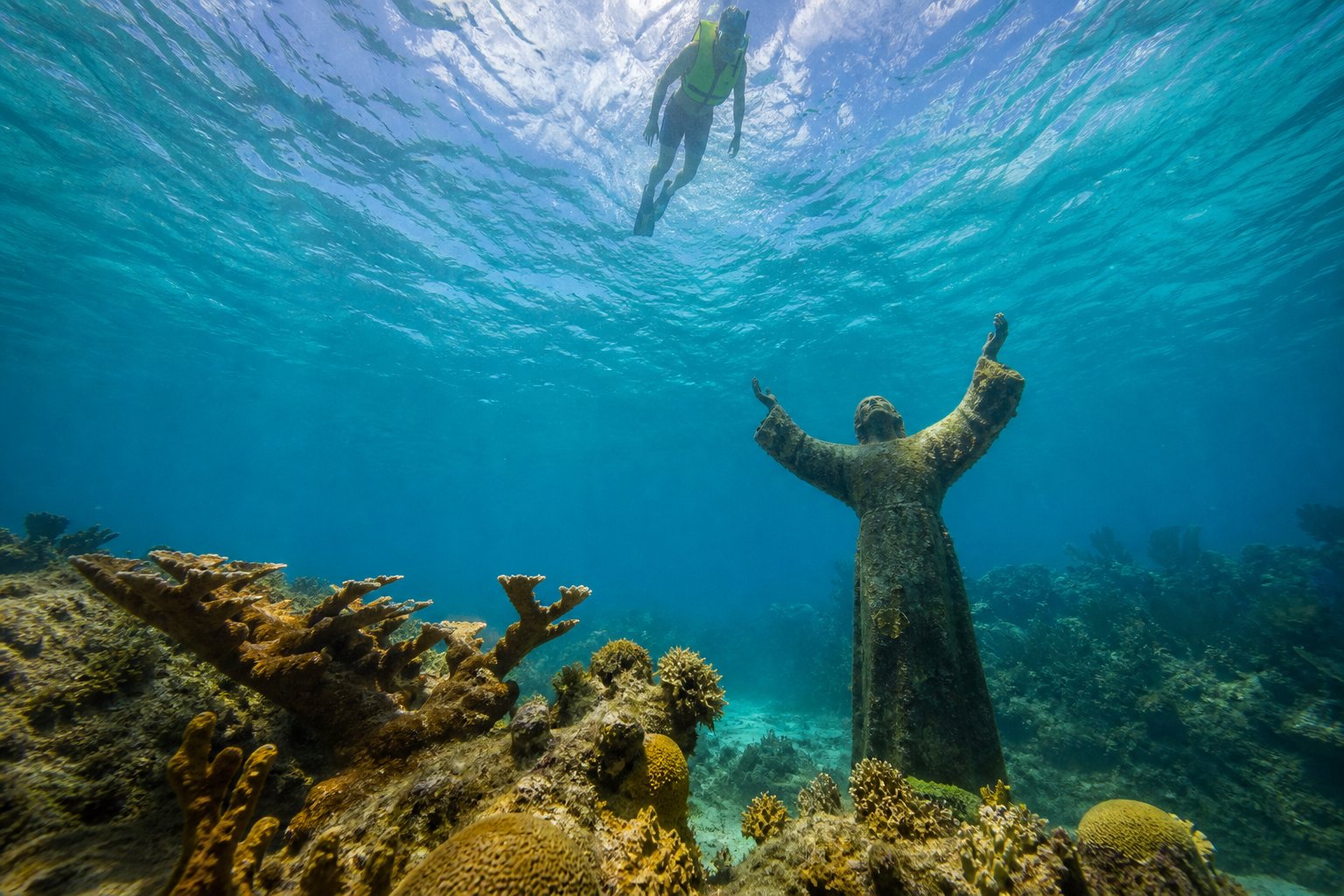
The park covers roughly 70 nautical square miles of ocean, but the two sites you'll hear about most are Christ of the Abyss and Molasses Reef. The bronze statue of Christ of the Abyss stands submerged in about 25 feet of water, arms raised toward the surface — it's been down there since 1965 and has become one of the most photographed underwater landmarks in the Atlantic. Molasses Reef, farther offshore, is one of the most visited reefs in the world and routinely draws a crowd of parrotfish, grunts, and the occasional reef shark.
Quick Facts Before You Go
The reef itself sits three to six miles offshore. There is no living coral reef right off the beach — that's the single biggest misconception first-timers bring to Key Largo. The beach and lagoon areas inside the park are pleasant, but if you want to see the coral, you need a boat. Plan your day around that reality and everything else falls into place.
How Snorkeling at Pennekamp Actually Works
Boat Tours vs. Shore Snorkeling
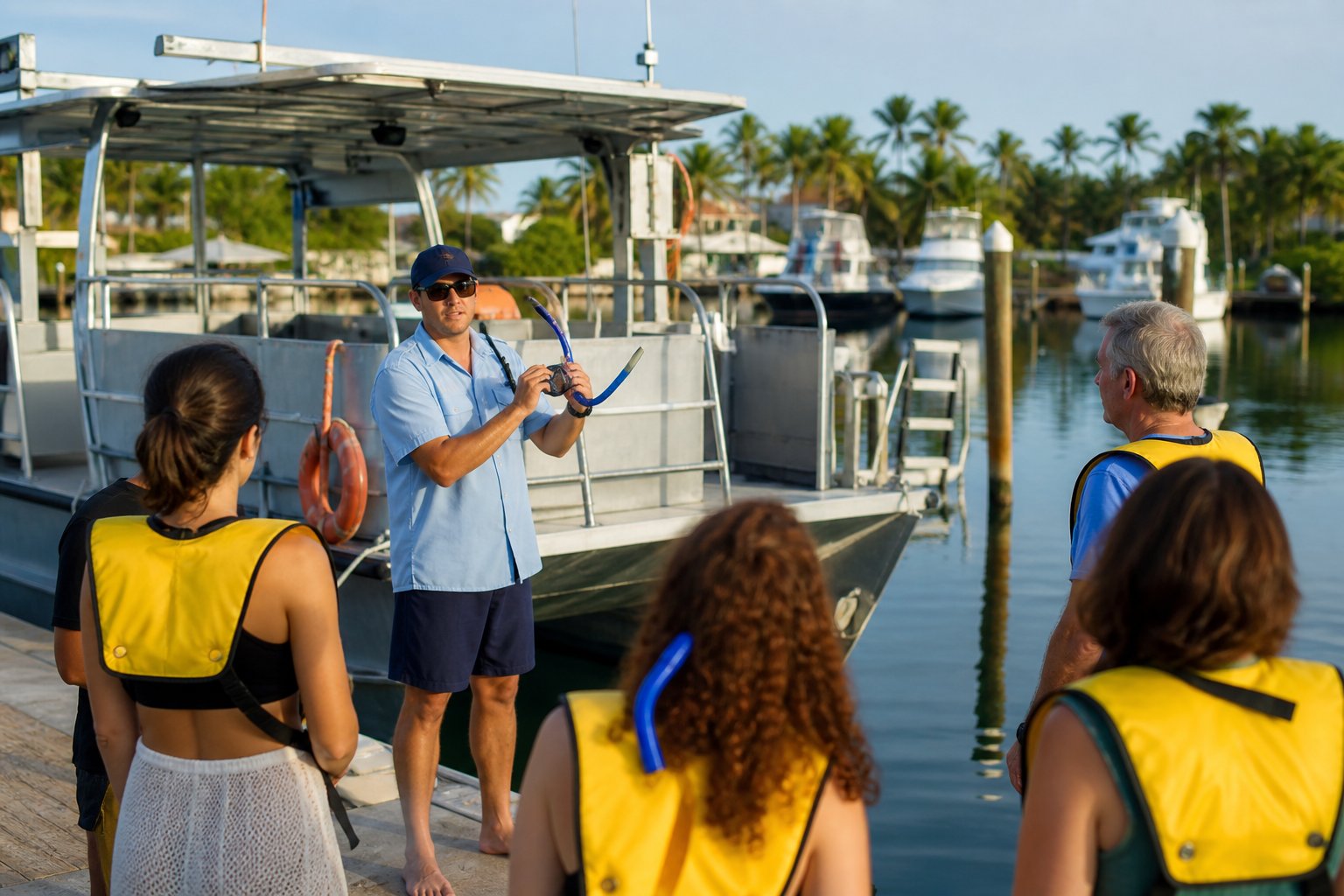
The park marina runs guided snorkel boat tours several times a day, and for the vast majority of visitors, that's the right call. The boats head out to the reef, anchor up, and give you 60 to 90 minutes in the water. The whole trip runs about two and a half to three hours including the ride out, time on the reef, and the ride back. Crew members brief you on what to expect, fit you with gear, and keep an eye on things while you're in the water.
Shore snorkeling is an option, but temper your expectations. The lagoon near the visitor center is calm and manageable — good for practicing your kick before a boat trip or letting younger kids get comfortable with a mask. It's not the coral reef. You might spot small fish and some sea grass, but it's a fundamentally different experience than floating over a living reef three miles out.
Timing and Check-In
Arrive at least 45 to 60 minutes before your departure time. Waivers take a few minutes, gear rental lines move slower than you'd expect, and the briefing happens whether you're there or not. Miss it, and you'll feel lost when you hit the water. Morning trips typically depart around 9 a.m., with a midday option around noon and an afternoon trip around 3 p.m. Book the morning slot when you can — the wind tends to pick up as the day goes on, and calmer seas make for cleaner water and a more comfortable ride.
Picking the Right Snorkel Trip and Reef Site
Shallow Reefs for First-Timers
If this is your first time snorkeling offshore, ask specifically about shallow patch reef sites — depths of eight to fifteen feet, protected from direct ocean swells, with calmer water and good visibility on most days. These spots are forgiving. You can stand up if you need to catch your breath (though you shouldn't touch the bottom), the current is gentler, and the marine life is just as interesting as the deeper sites.
Christ of the Abyss
John Pennekamp snorkeling trips to Christ of the Abyss draw people in because of the statue, and fair enough — it really is something to see. But at 25 feet deep, you need a confident duck dive to get close, and the site sits in more exposed water. On a windy day with a two-foot chop, even experienced swimmers find it tiring. Save this one for a calm, clear morning. A northeast wind under 10 knots and you'll have a great time. A 15-knot southeast wind and rolling swells? Come back tomorrow.
Go With the Ranger's Choice
Here's a practical tip that most guides won't volunteer unless you ask: request the "ranger's choice" or ask the captain which site looks best based on that morning's conditions. Wind, current, and visibility all shift the calculus. A captain worth their salt would rather take you somewhere that's firing than stick rigidly to the advertised site. Private or small-group charters offer even more flexibility — they cost more, usually $100 to $200 per person depending on group size and duration, but you skip the crowd of 30 people and get to have a real conversation with the crew about where to go.
Conditions: Seasons, Wind, and Visibility
Best Months for Key Largo Snorkeling
Late April through June is a sweet spot — water temperature climbs into the low 80s°F, summer storm season hasn't fully kicked in, and the reef gets strong, clear light. July and August are warm and generally calm on the water, though afternoon thunderstorms can roll in fast, so morning trips are safer bets. Water temps peak around 85°F in late summer.
Winter is trickier. Cold fronts push through every week or two between November and March, kicking up northwest swells that cloud the water and cancel trips outright. Water temps dip into the low 70s°F — still swimmable, but a full-length wetsuit or thick rashguard makes a real difference. When a front passes and the wind flips back to the east, you can get some of the clearest water of the year. Patience pays off.
When Trips Cancel
Trips cancel for high seas or poor visibility — and they do cancel, more often in winter than summer. If you're visiting for just a few days, book your snorkel trip on day one or two and leave room to reschedule. The park's recorded conditions line and website are updated regularly. A backup plan (more on that below) takes the sting out of a weather scrub.
Seasickness, Safety, and Comfort
Motion Tips
Three miles offshore in a 20-passenger boat is enough ocean for seasickness to ruin your day if you're not prepared. Take a non-drowsy motion sickness tablet — Bonine or generic meclizine — 30 to 60 minutes before you board, not on the dock when you're already feeling queasy. Eat a light meal beforehand: an empty stomach makes things worse, but so does a heavy one. Once you're underway, sit amidships (the middle of the boat), keep your eyes on the horizon, and skip the below-deck area if the boat has one.
In-Water Safety
The crew provides snorkel vests and keeps watch from the boat, but there are no lifeguards offshore. Know your own limits. If you're tired or the current is pulling you away from the group, float on your back, rest, and signal the boat — a raised fist or waving both arms gets attention. Don't push past comfortable. The reef will be there next time.
Gear: What to Bring, Rent, and Wear
Mask Fit and Defog
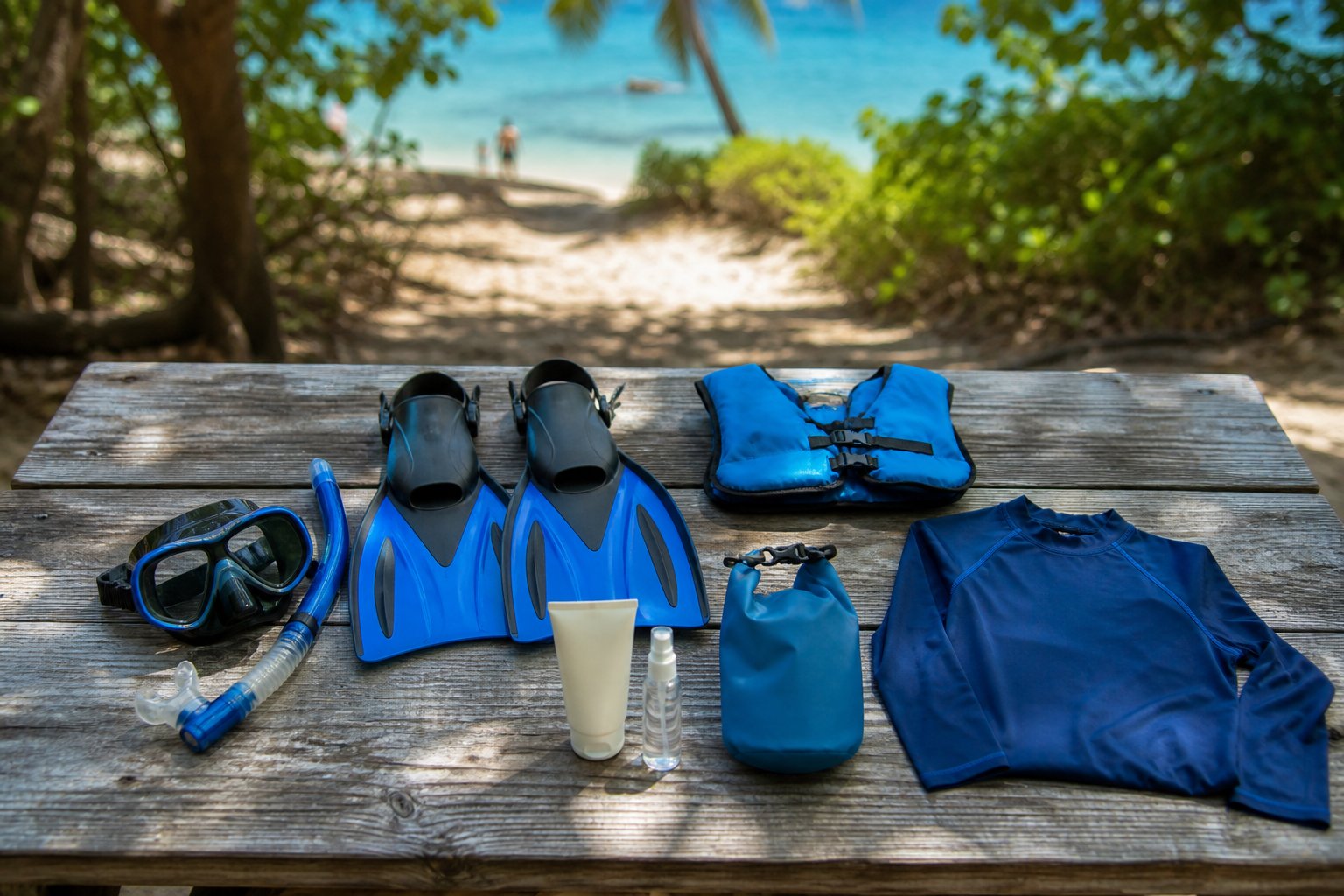
A leaking mask will ruin your trip faster than anything else on the list. If you're renting, test the seal before you leave the dock: press the mask gently to your face without the strap and inhale lightly through your nose. It should hold suction for a few seconds. If it doesn't, swap it out. Apply defog — the small bottles sold at the rental counter work fine, as does a drop of baby shampoo — smear it around the inside of the lens, then rinse gently with a splash of water. Don't scrub. You're creating a thin film, not washing a dish.
Fins, Vests, and Sun Protection
Closed-heel fins with a snug fit work well from a boat — no beach entry required, so open-heel adjustable fins aren't necessary. Snorkel vests are required on most Pennekamp tours, and honestly, for a first offshore trip that's a good thing. They take the work out of staying afloat and let you focus on what's below you.
Wear a rashguard. The sun off the water at 10 a.m. in the Florida Keys is intense, and you'll be face-down on the surface for an hour without noticing. Use reef-safe sunscreen — zinc-based formulas without oxybenzone or octinoxate — on any exposed skin. And keep your fins off the coral. Even a gentle kick against a coral head does damage that takes decades to undo.
What the Reef Is Actually Like
Reef Structure
Coral reef state park snorkeling in the Keys is not an aquarium. The reef doesn't perform on command. Some days visibility runs 30 to 40 feet and the colors are vivid — brain corals the size of boulders, sea fans swaying in the current, sandy channels cutting between the hard coral heads. Other days a passing swell stirs up sediment and you're working with 10 to 15 feet of vis. Both are still worth the trip.
The reef structure varies by site. Patch reefs tend to be isolated coral formations rising from a sandy bottom, surrounded by open water where fish congregate and rays cruise along the sand. Molasses Reef is more of a continuous spur-and-groove formation — long ridges of coral separated by sandy grooves — with greater depth variation and more current.
Common Wildlife
Expect to see parrotfish crunching away at coral, schools of grunts hovering in formation, and sergeant majors — those bold black-and-yellow striped fish — darting around like they own the place. Barracuda are common and look more intimidating than they are; they'll hover near the surface watching you with mild curiosity. Green sea turtles show up regularly, especially in summer. Nurse sharks rest on the sand under ledges and are generally indifferent to snorkelers as long as you give them space. Never chase, corner, or feed anything. Watch and drift.
Logistics, Costs, and Booking
Getting There and Park Fees
The park entrance is at Mile Marker 102.5 on U.S. 1 in Key Largo — look for the signs on the oceanside (left side heading south). Park entry costs $8 per vehicle for up to eight passengers, plus a $1 per-person county surcharge. Snorkel boat tours run roughly $30 to $35 per adult for gear rental on top of the tour price, or around $75 to $90 per adult all-in for the guided trip with rental gear included. Prices shift slightly by season, so check the park's official site when you book.
Scheduling Tips
Peak season runs Thanksgiving through April, and popular morning time slots sell out a week or more in advance. Book online as soon as your travel dates are set. Locker space at the marina is limited, so bring a dry bag for your phone, wallet, and a towel — leave valuables in your car. There's a concession stand near the marina if you need a snack before heading out, though a light breakfast before you arrive is the smarter move if you're at all concerned about motion sickness.
Beginner Mistakes to Avoid
- Booking Christ of the Abyss on a windy day. Always ask about conditions before you lock in a site. A calm day at a deeper, exposed site beats a rough day every time.
- Touching or standing on coral. Use your vest to stay buoyant, keep your fins angled upward, and hover — don't rest on the bottom. A single fin kick can break coral that took 50 years to grow.
- Skipping seasickness prep. It's an offshore boat ride, even if it's only three miles. Take the tablet the night before or at least an hour before boarding.
- Wrestling with a poorly fitted mask in the water. Test the seal on land, adjust the strap while your face is dry, and don't overtighten — it causes more leaks, not fewer.
- Expecting the reef right off the beach. The coral reef requires a boat. The lagoon is a practice run, not the main event.
Alternatives and Nearby Options
If Weather Won't Cooperate
High seas don't have to kill the day. The park runs glass-bottom boat tours that give you a look at the reef without getting in the water — a surprisingly good option if you have young kids or a traveler who isn't comfortable swimming offshore. Kayaking the mangrove trails inside the park is another solid call on a rough day: calm, scenic, and genuinely interesting for bird and wildlife watching.
The lagoon near the visitor center is also worth using as a gear test if you're heading back out the next day. Practice clearing your snorkel, testing your mask seal, and getting comfortable breathing through the tube in calm water. It makes the real reef experience smoother.
Beyond Pennekamp
Key Largo has no shortage of private operators running reef trips to sites like Grecian Rocks, the Elbow, and the French Reef — all inside the Florida Keys National Marine Sanctuary. A private charter can take you to the same reefs with a smaller group and more flexibility on timing. Biscayne National Park, about 30 miles north near Homestead, offers snorkeling and glass-bottom boat tours over its own reef system and is worth considering if you're coming from Miami. Down the Keys, Islamorada's reefs see less boat traffic than Pennekamp on busy holiday weekends and are a legitimate backup plan if the main park is booked solid.
Wherever you end up, ask operators about swim buffers and restoration areas — some sections of reef are marked off to allow coral recovery, and a good guide will point them out and explain why. The more you understand what's happening on the reef, the more you'll get out of every minute you spend floating over it.
Frequently asked questions
How long do snorkel trips at John Pennekamp take?
The reef portion is 60 to 90 minutes in the water, and the full outing runs about 2.5 to 3 hours including travel time. Boats head out to the reef, anchor, and the crew briefs you and keeps watch while you snorkel.
Do I need a boat to see the coral reef at John Pennekamp?
Yes, the living coral reef sits three to six miles offshore, so you need a boat to reach it. The park marina runs guided snorkel tours several times a day; the beach and lagoon are pleasant but don’t have living coral.
What time should I arrive for a Pennekamp snorkel tour?
Arrive 45 to 60 minutes before your departure. Typical trips leave around 9 a.m., noon, and 3 p.m., and mornings are recommended because winds tend to pick up later, making seas rougher and visibility worse.
Is Christ of the Abyss good for beginner snorkelers?
Not usually, because the statue sits about 25 feet down in more exposed water that can be tiring on windy days. Save it for a calm, clear morning; light northeast winds under 10 knots make it enjoyable, while a 15‑knot southeast wind brings rolling swells.
When is the best time of year to snorkel in Key Largo?
Late April through June is ideal, with low‑80s°F water, good light, and generally favorable conditions. July and August are warm and often calm but prone to fast afternoon thunderstorms, while winter cold fronts can cloud the water, lower temps to the low 70s°F, and cause cancellations.
Do Pennekamp snorkel trips cancel for weather, and how should I plan?
Yes, trips cancel for high seas or poor visibility, more often in winter. Book for your first or second day in town to allow rescheduling, and check the park’s recorded conditions line or website for updates.