
Why Visit Key Largo, Florida
Quick snapshot
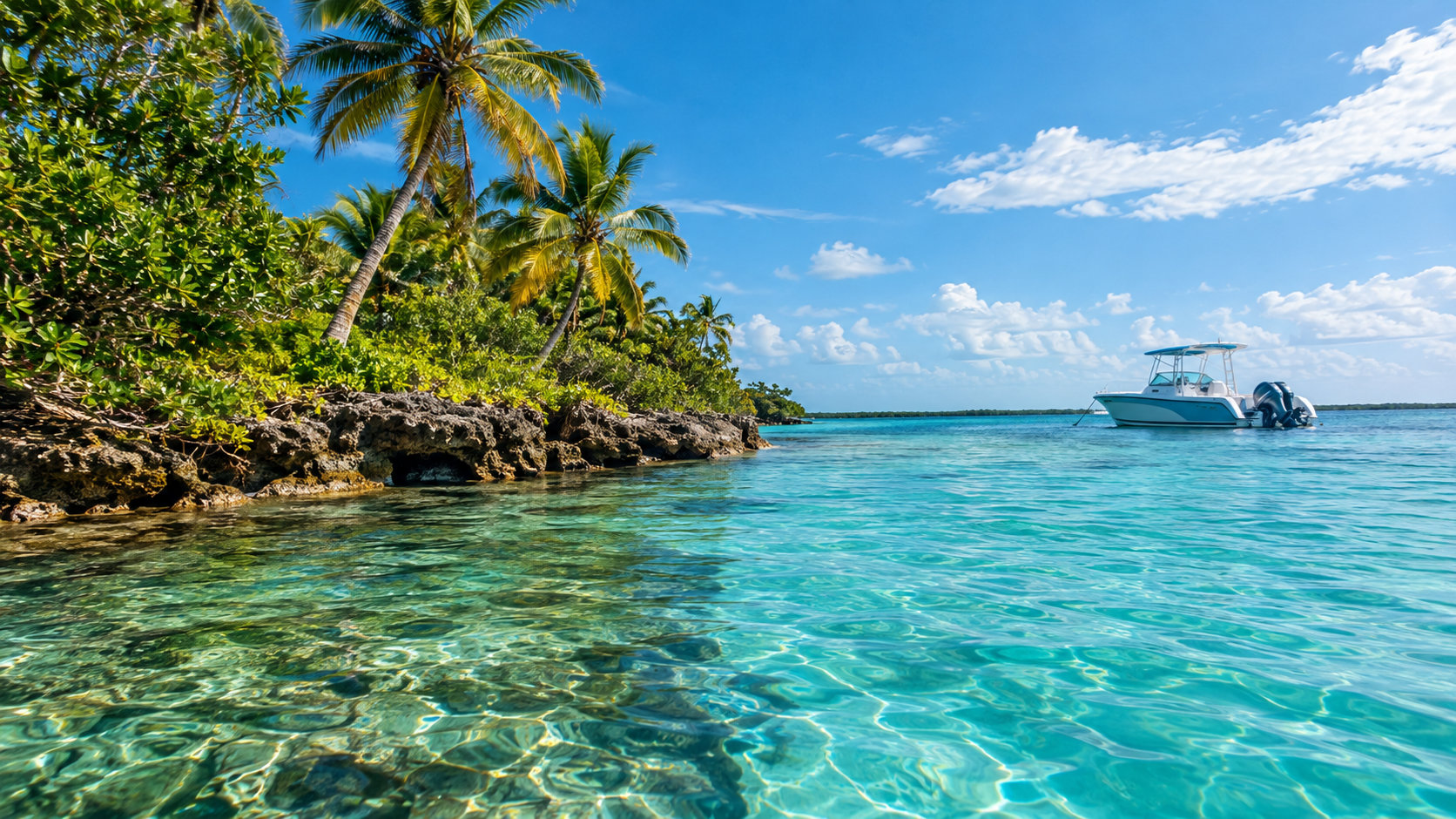
Key Largo is the first and largest island of the Upper Keys, a straight shot from Miami along U.S. 1 and the Overseas Highway. You’ll pass mile markers in the low 100s—Key Largo runs roughly MM 106 to MM 90—then trade city buzz for swaying palms and reef-bound boats. This is the gateway to America’s first undersea park, John Pennekamp Coral Reef State Park, and the coral kingdom offshore in the Florida Keys National Marine Sanctuary. The water is the headline: clear, warm, and loaded with life.
Expect a laid-back island vibe where flip-flops count as evening wear, and most plans revolve around the tides. You can be on a snorkel boat by mid-morning, slide into mangrove tunnels by afternoon, and toast the sunset on a catamaran or bayside dock. Key Largo, Florida draws divers, anglers, birders, and families who want an easy base for reef trips, eco tours, and lazy days by the water.
Who it’s best for
If you love being on the water, Key Largo fits like a glove. It’s tailor-made for snorkelers and divers chasing healthy patch reefs, and for anglers who want quick access to Everglades backcountry and offshore bluewater. It suits first-timers to the Keys—short drive, plenty of outfitters—and anyone who’d rather kayak a mangrove creek than elbow through a crowded beach. Couples come for sunsets and sailings; families book glass-bottom boats, shallow snorkel spots, and resorts with marinas and pools. Night owls looking for big-city nightlife should set expectations; the after-dark scene here is salt-washed and low-key.
Best Time to Visit
Weather by season
Dry season (November–April) is the sweet spot: sunny, mild days, lower humidity, and water temps in the mid-70s to low 80s. Winds can perk up with winter cold fronts, but visibility is often crisp when seas calm. Summer (June–September) runs hot and humid, with bathtub-warm water and predictable afternoon thunderstorms that roll through and fade. Hurricane season spans June–November; watch the tropics and keep plans flexible. Shoulder months—May and October—often deliver warm water, lighter winds, and fewer crowds.
For underwater clarity, morning trips usually win. Winds tend to be lighter early, and seas smoother before the day’s breeze kicks in. If you’re timing a dive or snorkel, keep an eye on the marine forecast through the National Weather Service in Key West for wind direction, wave height, and visibility clues.
Crowds & prices
Winter and spring bring peak demand, especially around Christmas–New Year’s, Presidents’ Day weekend, spring break, and April. Rates jump and popular tours sell out. Summer can be busy with families, though you’ll find more deals—just book early for holiday weekends. May and October usually offer the best value, with warm water and easier reservations. If you’re driving to or from Miami, give yourself a cushion; Fridays heading south and Sundays north can slow to a crawl on the Overseas Highway.
Getting There & Around
Airports & driving
Miami International Airport (MIA) is your closest major gateway. With light traffic it’s 60–90 minutes to northern Key Largo via the Florida Turnpike to U.S. 1. Fort Lauderdale–Hollywood International (FLL) is a solid alternative with competitive fares; add 30–45 minutes to the drive. You’ll cross Jewfish Creek onto Key Largo and start seeing dive flags and marina signs almost immediately. If you’re flight-weary, plan a relaxed dinner and an early boat the next morning—no one enjoys a choppy ride after a long travel day.
Parking & traffic
Resorts and larger marinas usually include on-site parking, but smaller bayside eateries and popular tiki bars can overflow at sunset. On weekends and holidays, traffic can snarl at bottlenecks around Key Largo Proper, Tavernier Creek, and construction zones. Time your departures early for morning activities and consider late lunches or early dinners to dodge the rush.
Without a car
Public transit is limited. Rideshares and taxis operate but can thin out late at night or during weather. Some resorts run shuttle vans to partner marinas; ask when you book. Many charters depart within a short walk or quick ride from Oceanside destinations around MM 100–104 and bayside harbors near Sunset Cove and the Caribbean Club. If you want to string together a car-free trip, pick accommodations close to your tour docks.
Top Things to Do in Key Largo
On the water
John Pennekamp Coral Reef State Park (MM 102.5) is the launchpad for snorkel tours and glass-bottom boat trips over shallow coral heads and sea grass meadows. Expect nurse sharks, parrotfish, queen conch, and schooling grunts in ten to twenty feet of water. Book a half-day snorkel, or if you’d rather stay dry, the glass-bottom boat glides to the reefs with narration from naturalists. Check current hours and fees with Florida State Parks before you go.
Divers come for the icons: the Christ of the Abyss statue at Dry Rocks, the living ledges of Molasses Reef, and the USS Spiegel Grove, a 510-foot Navy ship scuttled offshore. Paddleboard and kayak tours slip through mangrove creeks on the bayside, where herons stalk the flats and juvenile tarpon roll in the shadows. Outfitters run eco tours at all skill levels, and guided night paddles can turn up constellations and bioluminescence on the right summer evenings.
On land
Stroll the nature trails at the Dagny Johnson Key Largo Hammock Botanical State Park for tropical hardwood forest and birding. Pop into local galleries along U.S. 1, order a slice of Key lime pie you didn’t earn (yet), and cool off in a shady tiki. Rain day? The aquarium and small museums along the Upper Keys fill a couple of mellow hours, and you can still plan the next morning’s reef run.
Sunset & night
The bayside steals the show at dusk. Grab a table with toes-in-the-sand seating or board a sunset sail for an hour or two of golden water and light breezes. After dark, certified divers can book night dives to watch parrotfish tuck into mucous cocoons, octopus hunt, and bioluminescent plankton twist in your wake. If you’re staying bayside away from street lights, step onto the dock after dinner—on a clear night the Milky Way hangs low over Florida Bay.
Snorkeling & Diving Highlights
Reefs & wrecks
Molasses Reef is the headliner, a sprawling system of spur-and-groove coral with swim-throughs and sandy basins in 15–40 feet. French Reef offers caverns and swim-throughs in a similar depth range with frequent turtle sightings. Shallow patches like Dry Rocks and Grecian Rocks cater to first-timers, with the Christ of the Abyss statue resting in roughly 25 feet at Dry Rocks. Farther offshore, the USS Spiegel Grove sits on her starboard side in 70–130 feet; advanced divers come for hulking corridors, swirling jacks, and goliath grouper. Currents vary—many sites are mellow, but offshore wrecks and the reef edge can run sporty.
Boat captains will match sites to the day’s conditions and your experience. If a front pushes in and kicks up seas on the ocean side, the bayside may stay calm for kayaks and eco tours. Flexibility gets you in the water more often.
Gear & tours
You can rent everything in town—masks, shorty wetsuits, computers—or bring your own kit. Morning trips often mean flatter seas and better visibility; mid-day wind can stack chop. Use reef-safe sunscreen and apply it at least 15 minutes before you gear up to keep slicks out of the water. Follow no-touch coral etiquette and use mooring buoys instead of anchors on reef sites; the Florida Keys National Marine Sanctuary publishes rules, buoy maps, and sanctuary zones that operators follow on every trip.
Fishing & Boating
Backcountry vs offshore
Backcountry charters point their bows toward the Everglades and Florida Bay flats. Spring brings silver kings—tarpon—in the channels and bridges; year-round you can target snook, redfish, sea trout, and mangrove snapper along mangrove shorelines and oyster bars. Bonefish tail on oceanside flats in warmer months. Offshore, boats chase mahi-mahi (dolphin), blackfin tuna, and wahoo in summer, and sailfish along the reef edge in winter. The humps and color changes off Key Largo create highways for pelagics, while the patch reefs hold yellowtail and mutton snapper for steady action.
Charters & regulations
Hire a licensed captain who provides tackle, bait, and local knowledge. Clarify whether fuel, live bait, and fish cleaning are included in the rate. Many restaurants offer cook-your-catch dinners; ask about cleaning services and fees at the dock. Before you book a DIY skiff or throw a line from shore, review license rules, seasons, and bag limits with the Florida Fish and Wildlife Conservation Commission. Protected species—like tarpon under certain conditions and goliath grouper—carry strict regulations. Captains stay current, but it’s smart to know the basics.
Where to Stay
Resorts & marinas
Pick your side: oceanside for quick reef access and dawn departures, bayside for calmer waters, sunsets, and marinas tucked into wind-sheltered coves. Resorts with on-site dive shops and marinas make early trips painless—roll out of your room, grab coffee, and walk to the boat. If you’re bringing your own vessel, ask about dockage length, depth, shore power, trailer storage, and ramp use. A slip included in the room rate can be a big value.
Larger properties around MM 97–104 offer pools, beachy lagoons, and family-friendly perks; boutique inns and bungalows are scattered both sides of the highway. If you’re planning multiple charters, staying close to your preferred marina trims pre-dawn drive time.
Vacation rentals
Families and groups lean into canal-front homes, townhomes, and houseboats. A ground-floor rinse station, bait freezer, and private dock can elevate a fishing week. Look for listings with kayaks or paddleboards included, or at least easy launch access. Book early for winter and spring; snowbird season fills calendars months out. Check local rules on trailer parking and quiet hours if you’re in a canal neighborhood.
Budget picks
Classic Keys motels and smaller inns line U.S. 1, often with free parking and simple rooms steps from tiki bars and marina pickups. You’ll trade frills for location and price, but if your plan is dawn-to-dusk adventures, clean and convenient wins. Some properties include basic water access or a small dock, which adds real value if you’re paddling at sunrise or hopping on a guide’s skiff at first light.
What to Eat & Drink
Local flavors
Start with the standards: conch fritters with spicy mayo, blackened mahi tacos, hogfish sandwiches, and a chilled peel-and-eat shrimp bowl. Fresh-caught snapper and grouper land on menus daily. Stone crab season runs October through early May; ask about market availability and claw sizes. Save room for Key lime pie—meringue or whipped cream is a debate you can settle across multiple tastings.
Views & vibes
Waterfront grills and tiki bars dot both sides of U.S. 1. The bayside wins at sunset—grab a table facing west, order a mojito or a local lager, and watch boats idle home. Live music is common on weekends and after the sunset cruise crowd returns. For a quieter night, linger over grilled fish on an oceanside deck, then wander the dock to spot tarpon in the lights. Weekend dinner slots go fast; line up reservations if you’re traveling during peak weeks or plan a late lunch to avoid the crush.
Day Trips & Nearby
Islamorada
Twenty to thirty minutes south, Islamorada calls itself the Sportfishing Capital of the World for good reason. Charter boats stack the docks, and the Florida Keys History & Discovery Center gives you a crash course in the islands’ past. Browse artisan shops, stop for a tiki-side lunch, and walk the pier to watch tarpon swarm under the lights.
Everglades & Biscayne
On the mainland side, the Everglades begins just across Florida Bay. Airboat rides along the edges offer a taste of sawgrass and gator country, while kayak eco tours slide into mangrove creeks for birds and quiet water. To the northeast, Biscayne National Park is almost entirely water; access the reefs, shipwrecks, and Jones Lagoon by guided boat tours and paddling trips from the park’s visitor center. Pair either with a lazy morning in Key Largo and you’ll still be back in time for sunset.
Miami & Key West
Miami’s art districts, Little Havana, and big-league dining are an hour to ninety minutes away depending on traffic. Key West sits roughly two hours south without stops, but the drive is its own attraction: long bridges, shallow flats, and Keys towns strung like beads. If you day-trip to Key West, leave early, keep an eye on return traffic, and avoid stacking a long drive after an afternoon on the water.
Practical Tips & Safety
Reef etiquette
Coral is alive—and fragile. Don’t touch or stand on it. Keep fins up and avoid kicking the reef or stirring sand that can smother polyps. Never chase turtles or harass wildlife. If you’re operating a private boat, avoid anchoring on coral; pick up a white mooring buoy instead. The Florida Keys National Marine Sanctuary details no-take zones, mooring buoy locations, and reef protection rules you’ll see posted at marinas and on charter boats.
Weather & wildlife
Pack sun armor: reef-safe sunscreen, a long-sleeve rash guard, hat, and polarized sunglasses. Bug spray helps at dusk on the bayside and in mangroves. Hydrate—heat and salt air sneak up on even seasoned boaters. During hurricane season, monitor tropical outlooks and marine forecasts through the National Weather Service Key West, and build flexibility into your plans. Keep respectful distance from manatees, dolphins, and nesting birds; slow to idle around manatee zones and give rookeries a wide berth. If you plan to fish, confirm license needs and current bag limits with the Florida Fish and Wildlife Conservation Commission or rely on a licensed charter to cover permits.
At John Pennekamp and other state sites, check posted alerts, hours, and any reservation requirements with Florida State Parks before you drive. If seas kick up, consider bayside paddling, a nature walk, or a glass-bottom boat instead of forcing an ocean run. There’s always another tide in Key Largo.
On-the-Water Playbook
How to plan a perfect day
- Book a morning snorkel or dive to beat wind and crowds; bring a light hoodie for winter rides.
- Grab lunch on the bayside, then rent kayaks or book an eco tour through the mangroves.
- Swing back to your room for a rinse and a nap, then board a sunset sail or find a dockside seat facing west.
- Cap the night with a slice of Key lime pie and a stroll on the pier to spot tarpon and needlefish in the lights.
Whether you’re here for reefs, rods, or rum drinks at sunset, Key Largo, Florida makes it easy. The water’s close, the boats are ready, and the island pace does the rest.
Frequently asked questions
When is the best time to visit Key Largo for snorkeling and diving?
Dry season from November to April is the sweet spot, with sunny, mild days and water temperatures in the mid-70s to low 80s. Morning trips usually have lighter winds and smoother seas for clearer visibility. Summer is hot and humid with afternoon thunderstorms, while May and October often bring warm water, lighter winds, and fewer crowds.
How long is the drive from Miami International Airport to Key Largo?
With light traffic it’s 60–90 minutes from Miami International Airport to northern Key Largo via the Florida Turnpike to U.S. 1. From Fort Lauderdale–Hollywood International, add 30–45 minutes. If you’re flight-weary, plan a relaxed dinner and an early boat the next morning for a better experience.
Where do snorkel and glass-bottom boat tours leave from in Key Largo?
John Pennekamp Coral Reef State Park at MM 102.5 is the main launchpad for snorkel tours and glass-bottom boat trips. You can book a half-day snorkel or stay dry on a narrated glass-bottom cruise over shallow reefs and seagrass meadows. Check current hours and fees with Florida State Parks before you go.
When are crowds and prices highest in Key Largo?
Winter and spring are peak, especially around Christmas–New Year’s, Presidents’ Day weekend, spring break, and April. Rates jump and popular tours sell out then. Summer can be busy with families but offers more deals, while May and October usually deliver the best value and easier reservations.
Can I get around Key Largo without a car for tours?
Public transit is limited, and rideshares or taxis can thin out late at night or during weather. Some resorts run shuttle vans to partner marinas, and many charters depart within a short walk or quick ride of Oceanside spots around MM 100–104 and bayside harbors near Sunset Cove and the Caribbean Club. For a car-free trip, choose accommodations close to your tour docks.
Which Key Largo dive sites suit beginners vs. advanced divers, and how deep are they?
Shallow patches like Dry Rocks and Grecian Rocks are great for first-timers, with the Christ of the Abyss statue resting in roughly 25 feet at Dry Rocks. Molasses Reef and French Reef run about 15–40 feet with caverns, swim-throughs, and frequent turtle sightings. Advanced divers target the USS Spiegel Grove in 70–130 feet, where currents can be stronger.