
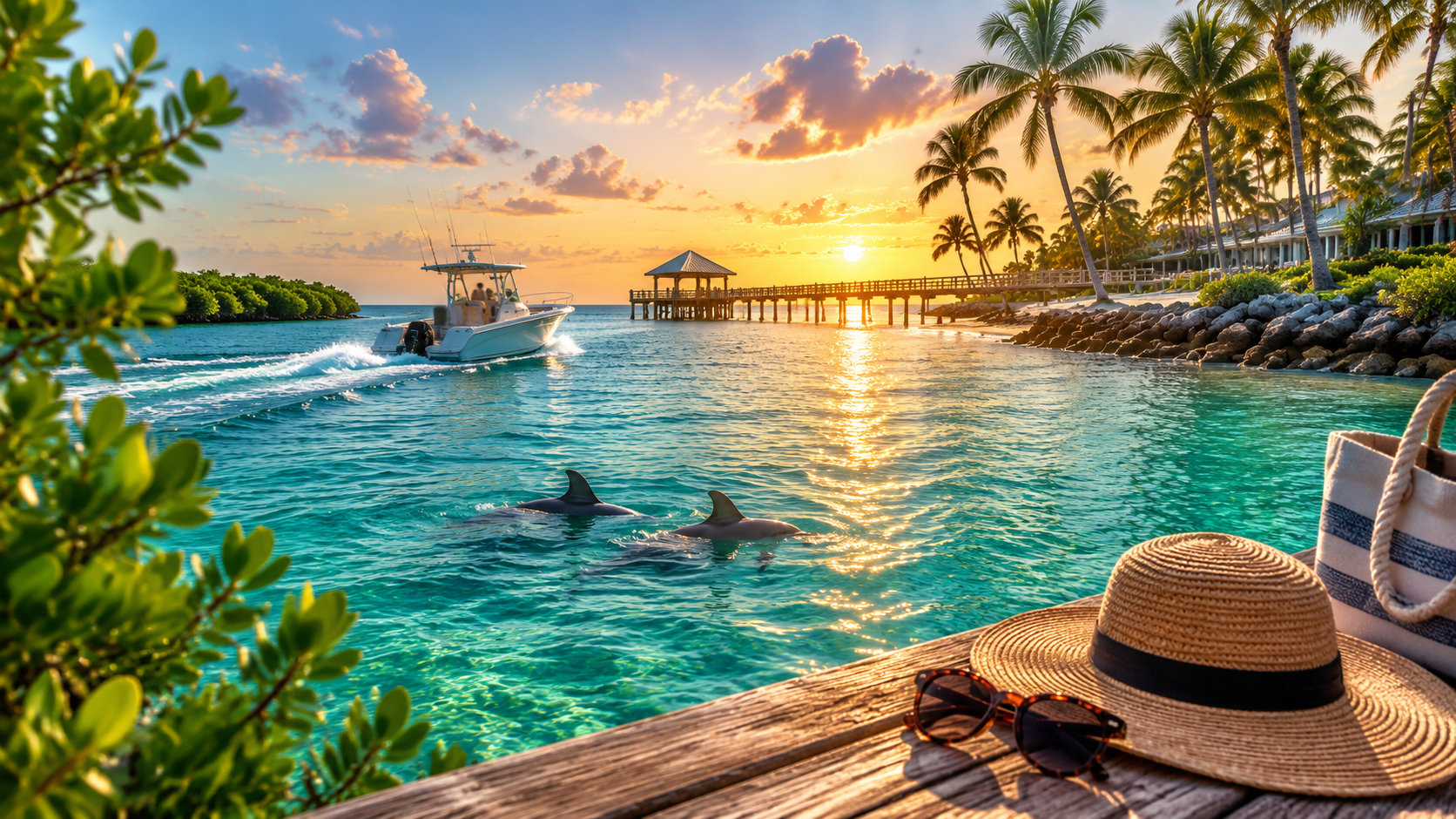
Why Naples Is a Top Spot for Tours
Naples sits where the Gulf of Mexico meets the Ten Thousand Islands, with the Everglades just down the road. That geography makes touring here easy and varied. In one long weekend, you can skim over mangrove-fringed bays at sunrise, hop a shelling boat to Keewaydin Island by lunch, and be in Everglades City by mid-afternoon for a backcountry eco tour.
The Gulf off Naples and Marco Island is usually gentle, shielded from big Atlantic swells. Families love the calm, shallow edges along Vanderbilt Beach, Lowdermilk Park, and Clam Pass. Powder-fine sand and sandbars make for mellow days and low-stress boat outings. Wildlife is everywhere: bottlenose dolphins pace the shore and surf boat wakes, manatees drift through the passes in warm months, ospreys patrol the beaches, and sea turtles nest from May to October. Bring binoculars; you’ll use them.
Touring is a year-round play. The dry season—December through April—means blue-sky days, lower humidity, and clearer water, with crowds to match. The wet season—May through October—brings steamy mornings, afternoon thunderstorms, and glassy-calm early starts. Pick your season; you’ll find trips running either way.
Top Types of Naples Florida Tours
On the Water
Classic Naples Florida tours ride the Gulf. Dolphin, shelling, and sunset cruises run daily from Tin City, Naples City Dock in Crayton Cove, Marco Island’s Rose Marina, and Isles of Capri. Catamarans offer a wide, steady platform for families and anyone who prefers a smooth ride, while smaller center consoles slip into shallow bays. Some trips anchor on remote sandbars; others glide along the coast as the sun falls behind the dome of the Gulf.
Paddlers aren’t left out. Kayak and stand-up paddleboard tours weave into mangrove tunnels at Rookery Bay National Estuarine Research Reserve, the Gordon River Greenway, and around Keewaydin’s back side. Clear kayaks bring the water column into view; biologist-led trips turn every splash into a lesson.
Nature and Wildlife
Everglades airboat safaris lift off from Everglades City and Chokoloskee. Quieter pole-boat and kayak tours trace the edges of oyster bars where herons hunt and rays wing past. In the Ten Thousand Islands, you’ll slip between islets stamped with mangroves, watching for manatees in calm coves and roseate spoonbills lighting up the sky. Back in Naples, rookery islands host pelicans and cormorants; dolphins work the shorelines during morning tides.
Culture and City
On land, guided walking and e-bike tours steer through Old Naples—Fifth Avenue South, Third Street South, the historic Naples Pier, and the cottage-lined avenues behind it. Food tours stop for stone crab in season, grouper sandwiches, and key lime treats, with stories of early homesteaders and hurricanes that shaped the waterfront. Art lovers detour through the Naples Design District and the galleries near Crayton Cove; many tours time a stop with sunset at the pier.
Dolphin, Shelling and Sunset Cruises
You don’t have to go far to see dolphins here. Bottlenose pods patrol Gordon Pass, Doctor’s Pass, and the shoals off Naples Pier. Captains read the water—slick calm patches, bait dimpling the surface—and you’re often rewarded with dolphins surfing the wake within minutes of departure. Small-group boats give you better viewing angles and more time lingering with a pod; private charters tailor the pace for families with kids or photographers who want that perfect leaping arc.
Shelling trips are a Gulf Coast ritual. Keewaydin Island, a barrier spit between Naples and Marco, offers long, wild beaches with fewer footprints, especially on weekday mornings. On the right tide you might find juvenile sand dollars, lettered olives, or scallops gleaming at the swash line. Good captains know the lonelier bars—quiet spots east of Keewaydin or out toward Cape Romano’s spoil islands—where the hunt becomes meditative. Wear water shoes; the shelly shallows can be sharp.
Sunset departures are easy to love. Late-day sea breezes tend to fade, the water lays down, and the sky puts on a show. Fall brings fiery oranges; spring can paint the clouds with pink and lavender streaks. Catamarans shine at golden hour—stable, lots of deck space, and you can spread out with a camera in one hand and a cool drink in the other. If you’re sensitive to motion, ask for a forward-facing seat and watch the horizon; early evening on the Gulf is often the smoothest ride of the day.
Everglades and Ten Thousand Islands Eco Adventures
Airboat vs. Quiet Craft
Each style has a distinct personality. Airboats cover more ground. You’ll skim over shallow sawgrass and mangrove backwaters in a rush of wind, stopping at points where guides call out gators, wading birds, and the tree islands that rise just above wet prairie. It’s a thrill ride with natural history wrapped in. Quiet craft—canoes, kayaks, and pole boats—trade speed for stealth. You’ll slide close to egrets stalking the edge of a creek or watch an osprey lift a mullet clean out of the water. If you want maximum wildlife time and minimal engine noise, choose the slower option.
Within Everglades National Park, access, seasons, and tour regulations—airboats included—are managed by the park. Before you book, it’s smart to skim the National Park Service’s Everglades page for what’s open, what’s nesting, and current rules. Operators based in Everglades City and Chokoloskee also run inside the Ten Thousand Islands National Wildlife Refuge and adjacent state waters with their own guidelines; reputable companies will brief you on where they’re going and why.
Best Launch Points
Everglades City is your straightest shot from Naples—about 35 miles east via US-41. Chokoloskee sits one key farther, a few minutes beyond on the causeway. Both towns are true gateways to mangrove country, with short runs from the dock to prime water. Closer to Naples, Port of the Islands on the Faka Union Canal trims the drive to roughly 30 minutes and puts you on a calm waterway that regularly sees manatees. On Marco Island, Goodland and Caxambas Pass are solid jump-offs for Ten Thousand Islands shelling and dolphin tours that keep you nearer to the Gulf.
Wildlife Highlights
Dry season, December through April, concentrates animals around shrinking water sources in the Everglades and cuts the mosquito swarms down. Expect alligators sunning on banks, red-shouldered hawks on snag perches, and waders packed tight in the shallows. In late winter, manatees ride warm currents into canals and estuaries; you’ll also spot white pelicans staging on oyster bars. Spring and summer bring a greening landscape and more reptiles on the move. On the islands, watch for spotted rays ghosting over sand, baby sharks in quiet creeks, and the cotton-candy flash of roseate spoonbills sweeping into a lagoon.
Kayaking and Paddleboarding the Mangroves
The mangrove maze looks simple on a map. It isn’t. Tides flood and drain the tunnels, “windows” open and close, and you can end up pushing across a mud bank if you mistime it. Guided tours earn their keep by reading the water and choosing routes to match the day’s wind and tide. They’ll point out fiddler crab highways, mangrove tree crabs hiding on roots, and the peculiar nursery fish that dart through their shadows.
Rookery Bay National Estuarine Research Reserve is the headline act for paddlers. This protected swath runs from Gordon Pass to the western edge of the Ten Thousand Islands. Tours launch from Shell Island Road or Isles of Capri and fan into creeks where the canopy meets overhead and light turns emerald. Clear kayaks are popular here on bright days; you can watch sea stars and urchins on hard-bottom patches and schools of juvenile snook flashing under you. Biologist-led outings dig deeper into the food web, oyster reef restoration, and how storms reshape the coastline.
Wear water shoes and quick-dry layers, pack a small dry bag, and plan on getting splashed. In summer, expect a morning glide and a return to the dock before the day builds toward afternoon storms. In winter, wind can funnel through the cuts; your guide will often hug leeward shores and steer into tunnels where it’s quieter.
Fishing Charters: Inshore to Offshore
Inshore Species
The back bays between Naples and Marco Island are tailor-made for light-tackle action. Guides pole skiffs across oyster bars, tuck into mangrove points on the falling tide, and fish potholes in grass flats. Snook lurk in the shadows. Redfish prowl the edges on flooding water. Spotted seatrout crush soft plastics over grass in winter and spring. When the big silver kings arrive—usually late spring into early summer—tarpon charters work the beaches, passes, and nearshore schools. Sight-fishing a daisy-chaining pod off Keewaydin at dawn is as pure a Gulf Coast moment as you’ll find.
Nearshore/Offshore
Run a few miles out and you’re into hard-bottom and wrecks that hold snapper and grouper. Spring can produce king mackerel blitzes on bait schools; fall often brings permit to wreck edges and towers when conditions line up. Farther offshore on full-day trips, amberjack, red grouper, lane and mangrove snapper, and the occasional cobia round out the mix. Your captain will know what’s biting and what’s in season. If you want to keep fish for dinner, ask about limits and best-eating sizes; if you prefer to release, many captains are thrilled to focus on trophy hunts and quick photos.
Logistics
Most Naples fishing charters include all tackle, bait, and required licensing for everyone on board, which keeps things simple. For the latest on who needs a license, what’s in season, and bag limits, check the Florida Fish and Wildlife Conservation Commission before you go. Morning departures are the norm, and in summer they’re gold—lighter winds, cooler temps, and often a better bite before the midday lull. Half days (4 hours) suit families and newcomers; three-quarter and full days let you stretch to nearshore and offshore structure.
When to Go: Seasons, Weather and Crowds
Peak vs. Value
December through April is prime time in Naples. Expect low humidity, 60s to 70s by day, and pastel sunsets that seem to last forever. It’s also peak pricing and busy docks, so book early. Late spring (May) and fall (September–October) bring value—lighter crowds, water that’s warm for swimming, and good fishing windows. Summer is the secret for calm early mornings, but plan around the daily rhythm of heat building toward mid-afternoon storms.
Wildlife Timing
Tarpon peak in late spring when bait runs push north along the beaches. Shorebirds nest in spring; watch for posted areas on open sand and give them space. Sea turtles nest May through October, with hatchlings popping at night later in season; beach patrols mark active sites. In the Everglades and Ten Thousand Islands, dry season concentrates wading birds and gators as water levels drop. Manatees gather in warm-water spots during cold snaps and spread out into bays and canals as temperatures rise.
Daily Patterns
On the water, early is king. Mornings mean lighter breezes, cooler temps, and more wildlife activity. Midday brings glare and heat, better for beach time or a shaded lunch along the dock at places like Tin City or the Isles of Capri. Sunset resets the day—ideal for a last spin on the Gulf, cameras ready.
How to Choose and Book a Tour
Vessel and Group Size
Match the boat to your comfort. Catamarans are wide and stable—great for kids, multigenerational groups, and anyone who wants a forgiving ride. Center consoles and bay boats get you closer to the water and can tuck into shallows for wildlife viewing or shelling. Flats skiffs are designed for stalking fish in skinny water; they’re intimate and agile, but you’ll feel more of the chop outside protected bays. Ask about maximum guest count; small-group trips (6–12) tend to offer better viewing and more flexible pacing than larger group boats.
Safety and Credentials
Choose operators with local captains who know the tides, channels, and seasonal wildlife patterns. U.S. Coast Guard–licensed captains and properly outfitted vessels are non-negotiable. Life jackets should be available for everyone onboard, and children should be fitted before departure. For an overview of gear and safe practices on the water, the US Coast Guard Boating Safety site is a solid primer. If you’re touring in or near Everglades National Park, reputable guides will outline permitted areas and follow park rules; you can verify current guidance with the National Park Service.
Policies and Logistics
Weather and cancellations matter, especially in summer. Look for clear policies on rescheduling if storms pop up. Confirm minimum ages for kids on kayaks, paddleboards, and offshore boats—these can vary. Ask where to meet (Tin City, Naples City Dock, Rose Marina, Goodland), how parking works, and whether there’s hotel pickup. If you get seasick, request a larger, more stable vessel and book a morning departure. Motion-sickness remedies work best when taken in advance, not after you board.
What to Bring and Know Before You Go
Florida sun is no joke. Pack reef-safe sunscreen, a brimmed hat, and polarized sunglasses to cut glare and spot fish and dolphins. Light layers manage the swing from cool mornings to warm afternoons, and a compact rain jacket is smart in summer. Bring water and snacks; some boats provide coolers, others encourage you to carry your own. A small dry bag protects phones and cameras during spray or a quick wade to a shelling beach.
Wear water shoes for shelling and launches where you might step on oyster shells. Insect repellent helps on mangrove tours and Everglades trips, especially at dawn and dusk. If you’re fishing, your charter typically handles licensing and gear, but it’s wise to review current Florida requirements on the FWC website—rules change with seasons and species. On boats, listen to the safety briefing and know where life jackets and first-aid kits are stowed; the USCG Boating Safety guidelines outline best practices for passenger vessels.
Wildlife etiquette keeps you, the animals, and the experience safe. Give dolphins, manatees, turtles, and birds space to feed, rest, and raise young. Don’t chase, feed, or touch; let your captain position the boat and set the pace. On shelling beaches, take only empty shells and avoid disturbing live sand dollars and conchs. On nesting beaches, heed posted zones and keep lights off at night during turtle season.
Sample Itineraries for Naples Florida Tours
Family Day: Dolphins to Sandcastles
Start with a 9 a.m. dolphin and shelling cruise from Naples City Dock. Spend an hour watching dolphins in Gordon Pass before hopping off at Keewaydin to collect shells. Back by lunchtime, head to Third Street South for tacos and key lime pie. Late afternoon, walk the Naples Pier, grab an ice cream on Fifth Avenue South, and finish with a mellow sunset catamaran ride—calm seas, easy smiles.
Nature Binge: Mangroves and the Glades
Book a sunrise kayak at Rookery Bay. Slide through a mangrove tunnel as ospreys call overhead, then refuel at Isles of Capri. After lunch, drive 45 minutes to Everglades City for a late-day pole-boat eco tour into the Ten Thousand Islands. Watch for spoonbills and dolphins corralling mullet in the creeks. Back in Naples, dinner on the water caps a day of salt and stories.
Angler’s Hit List: Dawn Patrol to Deep Drops
Meet your guide before first light for an inshore snook and redfish hunt on a falling tide. Back by late morning, regroup, then head out on a nearshore run for snapper and grouper when the sea breeze settles. If tarpon are in, trade the afternoon for a beach patrol and be ready for one giant silver fish to rewrite your vacation highlight reel.
Practical Costs and Booking Windows
Group dolphin or sunset cruises typically run about two hours and start around the cost of a casual dinner out per adult, with discounts for kids. Half-day private shelling or eco trips range higher, reflecting small group sizes and custom stops. Inshore fishing charters generally price by the boat for two to four anglers, with an upcharge for extra guests; offshore full days sit at the top of the scale due to fuel and distance. During holidays and from January through March, tours can sell out days in advance—lock in early. In summer and fall, you’ll often find next-day space, with the best slots in the morning.
Where Tours Depart: Naples to Marco
Naples City Dock in Crayton Cove anchors many dolphin, shelling, and fishing trips, with easy parking and coffee nearby. Tin City along the Gordon River hosts several sightseeing boats and is walkable to Old Naples. On Marco Island, Rose Marina is the main hub for Gulf and Ten Thousand Islands departures. Isles of Capri and Goodland are excellent for smaller boats and kayak launches—they’re closer to mangrove country and let you skip city traffic.
Local Flavor Between Tours
Schedule buffer time to enjoy the shore. Walk the pine and sabal palm trails at the Gordon River Greenway. Stroll galleries in the Naples Art District, or sit on the lawn at Cambier Park for a concert if your dates line up. Beaches at Lowdermilk and Vanderbilt make for easy hours with gentle surf. Food matters, too: stone crab claws in season (October 15–May 1), Gulf shrimp, and key lime everything show up on menus all over town. Pair the day’s water story with dinner by the dock and you’ll feel the rhythm of the place.
Final Tips for a Standout Trip
- Book mornings for calmer water, clearer light, and better wildlife activity.
- Choose small-group or private boats for flexible pacing and better viewing angles.
- For Everglades trips, check current park conditions before you go.
- Review licenses and seasons via the FWC if you plan to fish or keep your catch.
- Glance at USCG Boating Safety basics and make sure everyone—especially kids—has a proper life jacket.
- Pack sun gear, water, and a dry bag; wear water shoes for shelling and mangrove landings.
Naples rewards curiosity. Pick your craft, set your pace, and let the Gulf, the mangroves, and the islands do the talking. Whether you’re chasing dolphins at sunrise, drifting a fly to a snook, or watching a roseate spoonbill blaze across a tidal creek, the best Naples Florida tours leave you salty, sun-warmed, and already plotting your next day on the water.
Frequently asked questions
Where do Naples dolphin and sunset cruises leave from?
Most dolphin, shelling, and sunset cruises depart from Tin City, Naples City Dock in Crayton Cove, Marco Island’s Rose Marina, and the Isles of Capri. Catamarans and smaller center consoles run these routes daily, with some trips anchoring on remote sandbars and others cruising the coast at golden hour.
What’s the best season to visit Naples for tours and calm water?
Touring runs year-round, with the dry season from December through April bringing blue-sky days and clearer water. The wet season from May through October brings steamy mornings and predictable afternoon thunderstorms, but also glassy-calm early starts that are great for water trips.
How far is Everglades City from Naples and what are other nearby launch points?
Everglades City is about 35 miles east of Naples via US-41, with Chokoloskee a few minutes farther over the causeway. Closer options include Port of the Islands on the Faka Union Canal roughly 30 minutes from Naples, while Goodland and Caxambas Pass on Marco Island are prime jump-offs for Ten Thousand Islands shelling and dolphin tours.
Should I choose an airboat or a quiet craft for Everglades wildlife viewing?
For speed and range, airboats cover more ground and stop at points to spot gators, wading birds, and tree islands—think thrill ride with natural history. For stealth and maximum wildlife time with minimal engine noise, choose canoes, kayaks, or pole boats that let you slip close to egrets and ospreys hunting along quiet creeks.
Where’s the best shelling near Naples and what should I bring?
Keewaydin Island is a favorite, with long, wild beaches and fewer footprints, especially on weekday mornings. On the right tide you might find sand dollars, lettered olives, or scallops, and water shoes are recommended because the shelly shallows can be sharp.
Are catamaran sunset cruises in Naples good if I get seasick?
Catamarans offer a wide, stable platform that’s ideal for a smoother ride at golden hour. If you’re sensitive to motion, ask for a forward-facing seat and watch the horizon; early evening on the Gulf is often the calmest time of day.