
Why Visit West Palm Beach, Florida
Sunshine City on the Intracoastal
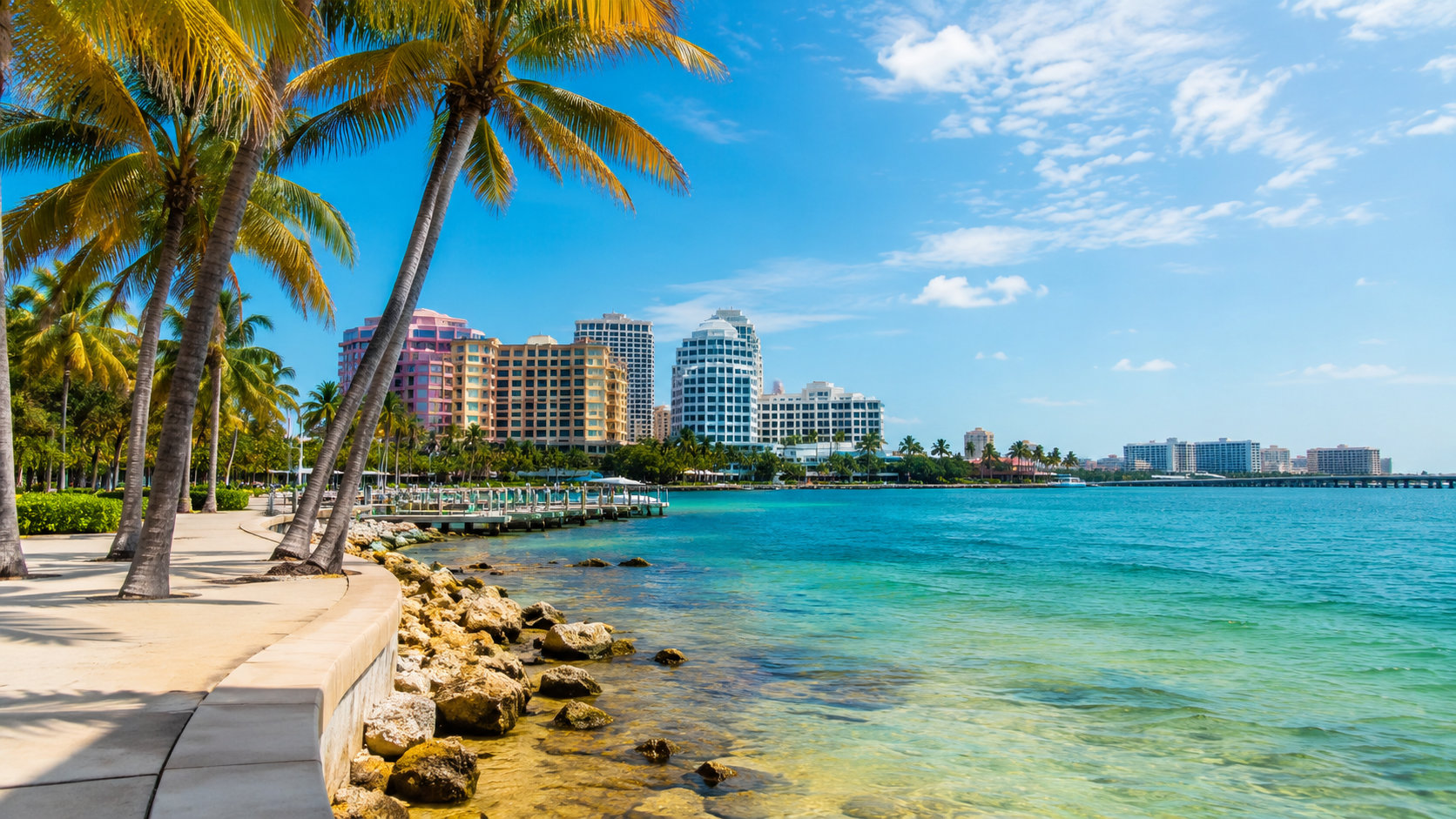
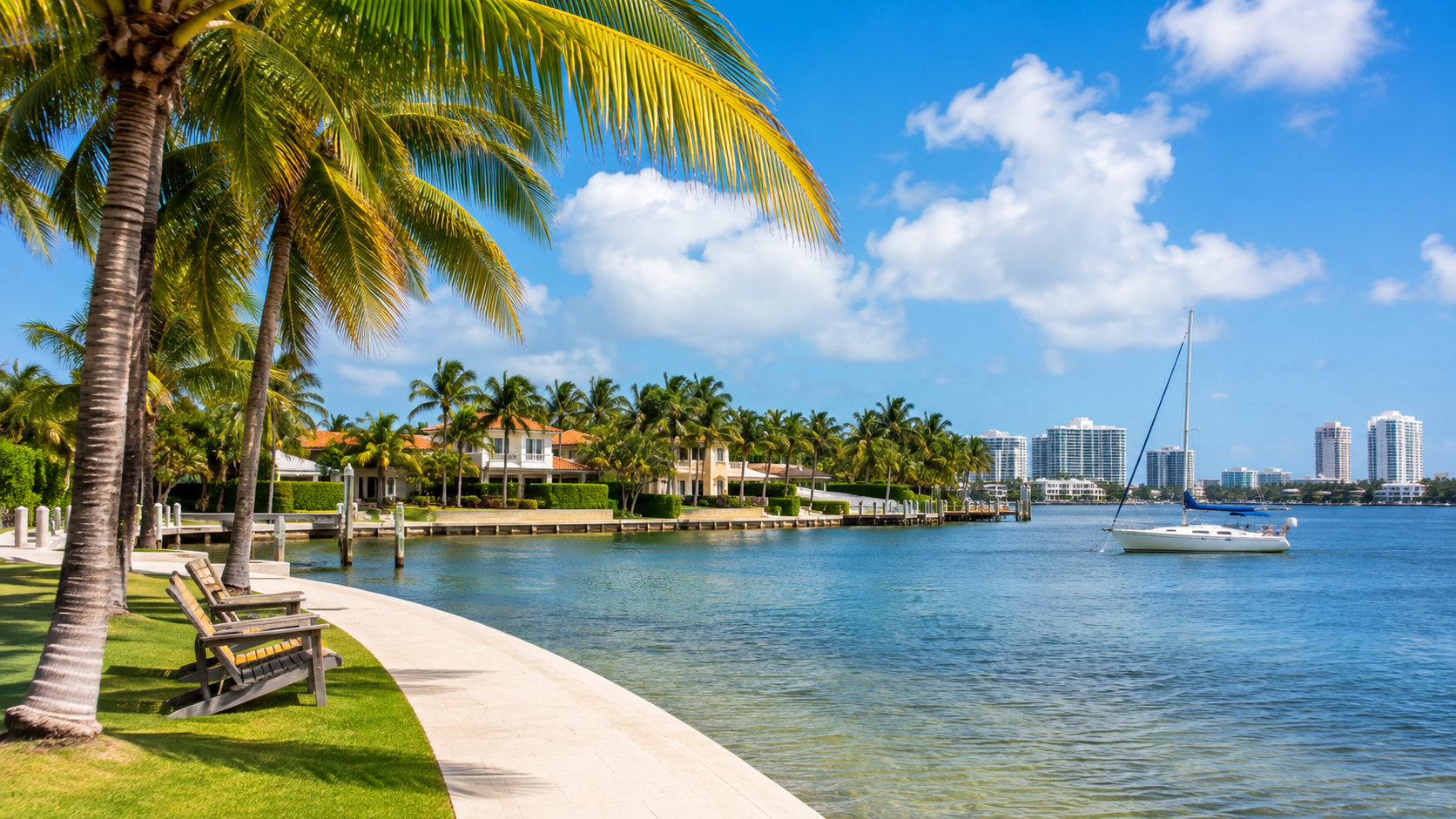
Bright mornings on the Lake Worth Lagoon, palms along Flagler Drive, and yachts sliding past as joggers cruise the waterfront path—West Palm Beach, Florida opens with sun and keeps the tempo all day. Downtown hums with an open-air market on weekends, galleries and live music after dark, and sailboats catching the evening breeze on the Intracoastal Waterway. You can be sipping a cortado in The Square at 9 a.m., strolling the Norton by noon, and watching pelicans draft the pier by sunset.
Location helps. West Palm Beach sits on the mainland, right across the bridges from Palm Beach’s Atlantic shore. Palm Beach International Airport is less than ten minutes from downtown, the Brightline station anchors the city core, and the water is never out of sight for long. The vibe: easygoing, coastal, with a city’s worth of dining and culture tucked into walkable blocks.
Balanced Beach, Culture, and Nature
Here, you don’t have to choose. You can spend a morning with Gilded Age architecture at the Flagler Museum and an afternoon snorkeling a shallow reef at Singer Island. Lake Worth Beach Pier hands you sunrise views and a casual fish taco lunch. Later, step into sculpture gardens shaded by banyans, or drift on a catamaran as the sky turns mango over the lagoon. The city is also a natural springboard—Palm Beach and Singer Island beaches are a bridge away; the Everglades and the Treasure Coast are easy day trips; Miami’s art and nightlife sit down the rail line.
When to Go and Weather Essentials
Peak, Shoulder, and Off-Peak
Peak season runs December through April. Skies are dry, humidity dips, and the calendar fills with boat shows, outdoor concerts, and art fairs. Hotel rates climb and the best restaurants book up, so lock in rooms and tables early if you’re eyeing winter or spring break. Shoulder months—late April into May and again October to early November—bring warm seas and thinner crowds. Summer (June through September) is hot and humid, with quick, theatrical afternoon thunderstorms that often pass within an hour; you’ll find strong hotel deals and warm ocean temps for long swims.
Hurricane season spans June through November. Storms are episodic, not constant, but build flexibility into your plans. Consider travel insurance that covers weather disruptions, and keep an eye on forecasts the week before your trip. Locals plan mornings for outdoor exercise in summer, then shift to beaches and pools later with a break for that predictable midafternoon squall.
What to Pack
Think breathable and sun-smart: light layers, a UPF shirt for boat days, a brimmed hat, polarized sunglasses, and reef-safe sunscreen. Pack sandals that can get wet, comfortable walking shoes for downtown and gardens, and a compact rain jacket for summer pop-ups. A small dry bag fits phone and keys on paddleboard tours. If you’re planning to snorkel Blue Heron Bridge, toss in a reusable water bottle and a thin neoprene top for winter mornings, when the water can dip into the low 70s.
Getting There and Getting Around
Air, Rail, and Road
Fly into Palm Beach International (PBI). From the terminal, it’s a ten-minute ride to downtown West Palm Beach or Palm Beach across the bridge. If you’re combining cities, Brightline’s express rail connects downtown West Palm to Miami, Fort Lauderdale, Boca Raton, Aventura, and Orlando; trains are clean, fast, and a joy after I-95 traffic. Drivers can reach the city via I-95 or Florida’s Turnpike; both run north–south with exits close to downtown.
Local Transport Tips
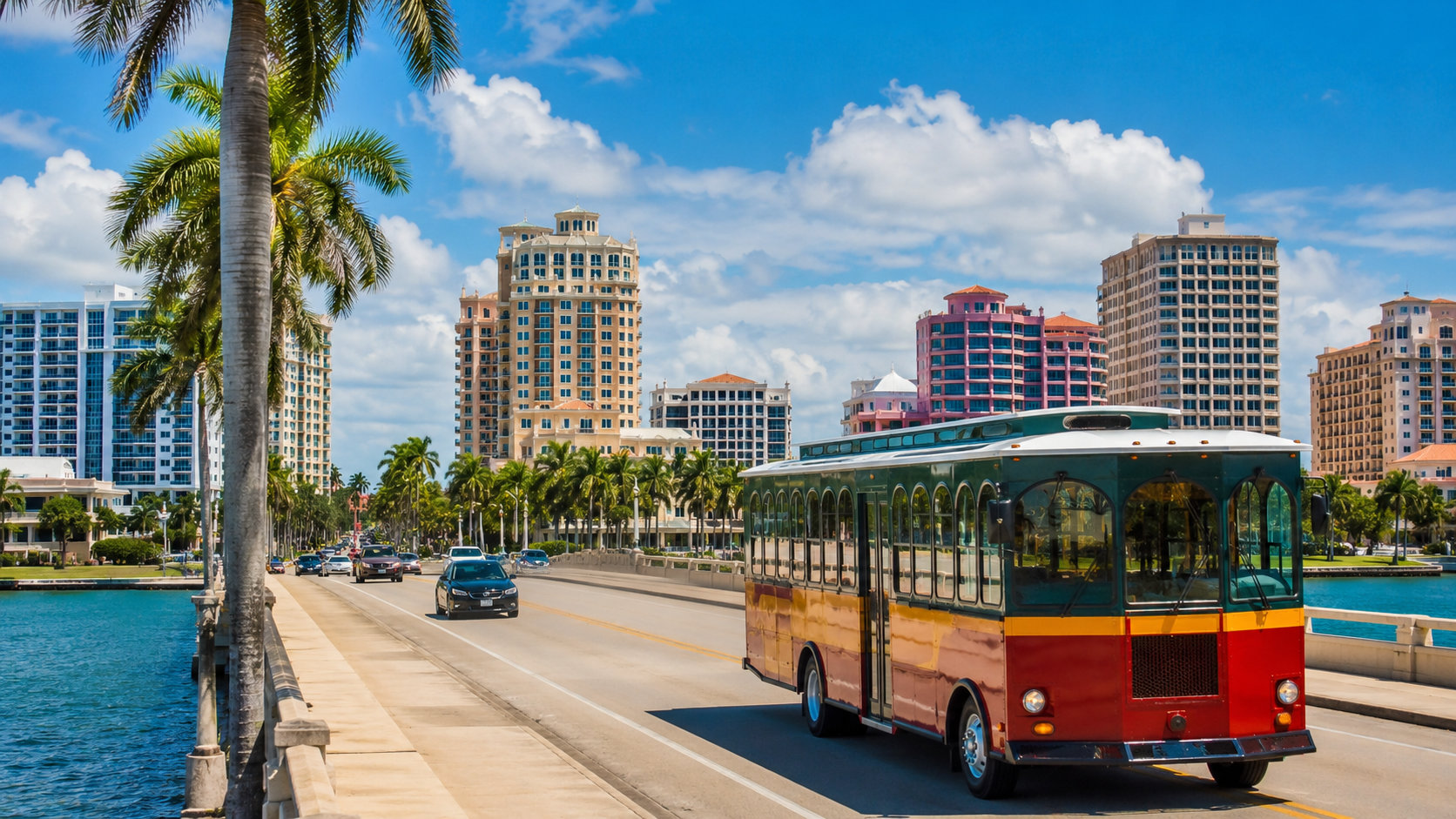
Skip a car if you’re staying central. Downtown’s waterfront, Clematis Street, and The Square are built for walking, with rideshares and pedicabs to fill the gaps. The city runs free trolley loops that link the Brightline station, waterfront, and shopping/dining zones; check current routes and hours before you go. Bike rentals and e-bikes are common—coast the Palm Beach Lake Trail (no cars, postcard views) or cruise Flagler Drive at sunset. On the water, water taxis and ferry shuttles make quick hops to Peanut Island and across the lagoon. Parking is straightforward at the beach parks and piers; bring a credit card for meters.
Top Beaches and Waterfront Spots
Palm Beach and Singer Island
Palm Beach Municipal Beach stretches for miles along South Ocean Boulevard and feels classic Atlantic: wide sand, blue water, and steady rollers for body-surfing. Access points dot the road, but the easiest is near Midtown Beach by South County Road, close to Worth Avenue if lunch or window-shopping calls. Mornings mean glassy seas and space to breathe; by late afternoon, the light turns honeyed and the beach thins out.
Head north to Singer Island for mellow waves and offshore life. Ocean Reef Park pairs guarded swimming with rock outcrops and nearshore reef structure where sergeant majors and parrotfish flash past in waist-to-chest-deep water. Pack a mask and snorkel. On calm days, visibility surprises. Peanut Island, just across from Riviera Beach Marina, adds a clear-water lagoon and picnic lawns with views of the inlet; it’s reachable by water taxi, kayak, or your own small boat when conditions are kind.
Parks and Piers
Lake Worth Beach Park serves up sunrise from the pier, surfers riding the sandbars, and casual eats steps away—two perfect excuses to linger after a dawn walk. Anglers cast at daybreak; photographers chase pelicans and pink skies. For an easy waterfront workout, the Flagler Drive promenade runs along the Intracoastal with separated paths for bikes and walkers, shaded benches, and breeze in your face. South Cove Natural Area, just north of the downtown docks, adds a boardwalk looping out into the lagoon’s mangroves—good for herons, osprey, and a few quiet minutes.
Culture, Museums, and Gardens
Flagler Era to Contemporary
The city’s arc starts with Henry Flagler, the oil-and-railroad tycoon who pulled the Florida East Coast south. Tour his Palm Beach mansion—Whitehall—at the Henry Morrison Flagler Museum and step through carved doors into Gilded Age scale: marble halls, a grand music room, even the private railcar out back. Across the lagoon in West Palm Beach, the Norton Museum of Art stitches together European and American masters with standout contemporary exhibitions and a serene sculpture garden anchored by a Banyan tree that’s grown like a living canopy.
Art, History, and Horticulture
Two miles south of downtown, the Ann Norton Sculpture Gardens hide monumental brick pieces among palms and tropical plantings, the studio preserved as if the artist just set down her tools. Over the bridge, the Society of the Four Arts mixes lush botanical gardens, rotating exhibits, and lectures; the Philip Hulitar Sculpture Garden wraps you in shade and quiet—a welcome cool-down after Worth Avenue. If street art is your beat, swing through the West Palm Beach Warehouse District, where galleries, makers, murals, and food halls give the city’s creative streak a home.
Outdoor Adventures and Eco Experiences
On the Water
Start with the lagoon. Book a catamaran or sailing charter from the downtown docks or Palm Beach shores and drift past mega-yachts, manatee zones, and waterfront estates while the captain points out the skyline. Sunset sails on the Intracoastal are all soft color and clinking glasses; daytime cruises carry you north toward Peanut Island or south past wooded spoil islands alive with birds. For DIY time, paddleboard tours launch from the city’s calm coves—guides lead you along mangrove edges where rays dot the sand and tarpon roll in the channel. Snorkelers should time a visit to Blue Heron Bridge at Phil Foster Park in Riviera Beach. Its shallow, protected site turns up seahorses, octopus, and macro life; aim for slack high tide for the best visibility, and bring a dive flag if you’re venturing past the swim zone.
If you join a boat tour, listen to the safety briefing and wear a life jacket when asked. Operators follow federal rules, and passengers should know the basics—see the U.S. Coast Guard’s boating safety and life jacket requirements for a sense of what applies on the water.
Nature and Wildlife
Grassy Waters Preserve, just west of the city, protects the headwaters of the Everglades. Boardwalk loops thread through cypress, sawgrass, and mirror-flat water; guided canoe and kayak trips run on select days and often spot herons, anhingas, and the occasional alligator sunning on a log. Early or late day is prime for wildlife. In cooler months (roughly November through March), manatees nose into the Lake Worth Lagoon’s warm pockets—eco boat tours keep respectful distances and let you watch them surface like gray blimps in glassy water.
Thinking of a bigger swamp fix? Daytime airboat tours to the northern Everglades run from nearby outposts in Palm Beach County and points west. Note that many commercial airboat rides operate outside Everglades National Park boundaries; the park manages its own access and restricts where airboats can go. If your plans include the national park, read the National Park Service guidance for Everglades access and airboat regulations before you book.
Best Tours and Excursions
Water, Wildlife, and City Highlights
Reef and wreck snorkel trips fan out from Palm Beach County inlets when seas cooperate, targeting sites where warm Gulf Stream currents keep visibility bright and the marine life lively. On calmer days, beginners do well on inshore reefs off Singer Island; on bigger water, experienced snorkelers and divers chase drift dives and shallow wrecks teeming with schooling spadefish.
Sailing charters, pontoon tours, and sunset cruises make the most of the Intracoastal’s protected waters. Expect skyline views, a history riff or two, and a good chance of spotting manatees in winter. For a different angle on the city, join a guided food and art walk in the Warehouse District or along Clematis Street—chefs talk provenance, muralists discuss their walls, and you get to taste your way through tapas, ceviche, and small-batch sweets.
Families love eco boat tours that nose into the lagoon’s mangrove fringes, pointing out osprey nests, bottlenose dolphin when luck is kind, and the quieter waterways locals use to move between islands. Cooler months up your odds for manatees around warm-water outflows and sheltered coves; guides know the spots and the rules about keeping distance.
Neighborhoods and Where to Stay
Downtown, Palm Beach, and Beaches
Downtown West Palm Beach is the top pick if you want to walk to everything. Clematis Street stacks bars, bistros, and late-night eats; The Square (formerly CityPlace) layers shopping, fountains, public art, and restaurants around palm-lined plazas. The waterfront along Flagler Drive sits a block away with marina views and sunrise jogging routes. Boutique hotels have joined stalwarts in the past few years, and rooftops have become a local sport—cocktails with a sailboat backdrop never get old.
Across the bridge in Palm Beach, you trade buzz for hush and luxury. The island’s resorts—think grand lobbies, beach clubs, and turrets lifted straight from old Florida postcards—put you within a stroll of Worth Avenue’s couture windows and courtyards. If the beach is your nonnegotiable, Singer Island’s high-rise condos and beachfront hotels deliver ocean sunrises from your balcony and easy access to parks like Ocean Reef and John D. MacArthur Beach State Park to the north.
Style and Budget
Travelers on a splurge chase cabanas and champagne on Palm Beach. Style-forward couples often split the difference with downtown boutique spots—walkable, buzzy, and a short rideshare to the sand. Families do well on Singer Island and in Lake Worth Beach, where condo rentals add kitchens and space. For an artsy, local vibe, check out Lake Worth Beach’s colorful cottages and historic inns or Northwood Village, just north of downtown, with its galleries and café scene. Weekend rates bump with festivals; midweek stays often shave dollars off the bill.
Food, Nightlife, and Events
From Fresh Seafood to Craft Cocktails
Start on the water. Waterfront haunts sling peel-and-eat shrimp, grouper sandwiches, and Key lime pie with the docks in sight. In downtown West Palm Beach, spots like ER Bradley’s pull crowds for burgers, live music, and marina views; a few blocks away, Elisabetta’s turns out wood-fired pies and Negronis under string lights. Avocado Grill keeps a coastal-Med rhythm with ceviches and shareables, while Hullabaloo and Rocco’s Tacos anchor Clematis nights with craft cocktails and a steady beat.
The Warehouse District’s Grandview Public Market gathers ramen, tacos, and gelato under one roof—good for groups and families. Rooftop lounges steal the show at golden hour: Treehouse at the Canopy peers over the lagoon, and Spruzzo at The Ben sets you up with a poolside perch and skyline glow. Coffee fans should duck into Subculture on Clematis; pastry fans, to Johan’s Joe for a Scandinavian breakfast plate and strong brew before the museum run.
Signature Festivals
Weekends stack up fast. The West Palm Beach GreenMarket pops up downtown on Saturday mornings (October through spring) with produce, flowers, pastries, and a band setting the tone—arrive early for the best pick. SunFest, the city’s waterfront music festival, lands in late April or early May and turns Flagler Drive into a multi-stage party with art and fireworks. Winter brings art fairs on the island and in the city, and March usually delivers the Palm Beach International Boat Show, when superyachts loom over the docks and gear tents spill along the seawall. Smaller street festivals and gallery nights lace the calendar the rest of the year; ask your hotel for the week’s lineup.
Day Trips from West Palm Beach
Miami, Fort Lauderdale, and the Treasure Coast
Hop the Brightline for a car-free dash south to Miami or Fort Lauderdale. In Miami, you can line up a Wynwood murals walk, Little Havana lunch, and late swim before cruising back in time for a drink on the West Palm rooftop circuit. Fort Lauderdale’s riverwalk and water taxis scratch the maritime itch with less bustle. Northbound, the Treasure Coast—Jupiter, Hobe Sound, Stuart—trades glass towers for dune-backed beaches and sandbar boat days. Jupiter Inlet Lighthouse, Blowing Rocks Preserve, Stuart’s sailfish-fluttered marinas—all sit within an hour’s drive.
Everglades and Inland Escapes
When the call of sawgrass hits, angle west. Outfitters offer airboat tours on the northern fringe of the Everglades ecosystem and nature walks in cypress domes. If your goal is Everglades National Park proper, plan a longer day to the park’s main entrances (Homestead or Shark Valley), study current conditions, and confirm where airboats are allowed; see the National Park Service information for Everglades seasons, access, and airboat rules before you go. Closer to home, Riverbend Park in Jupiter sets you up with easy kayak drifts under live oaks and along tannin-dark creeks where turtles line logs like ornaments.
Practical Tips for a Smooth Trip
Beach and Sun Sense
Atlantic beaches here can kick up a rip current when winds turn onshore. Swim near lifeguard stands, watch the colored flags, and shuffle your feet in the shallows to nudge stingrays away. Summer storms build quickly—if thunder rumbles, clear the water and the pier. Reef-safe sunscreen keeps your conscience clear at snorkel spots; a long-sleeve rashguard means less reapplying and more exploring.
Timing, Tides, and Reservations
Book marquee restaurants and museum time slots on peak-season weekends. For Blue Heron Bridge snorkeling, check tide tables and aim for slack high tide for calmer conditions. On festival nights, plan extra time for parking or ride the trolley to skip the hunt. If you’re sailing at sunset, arrive a touch early— Intracoastal docks are photogenic and the light drops fast.
Suggested 3-Day Itinerary
Day 1: Downtown and the Waterfront
Morning coffee on Clematis, then stroll the Flagler Drive promenade as the city wakes. Late morning at the Norton Museum, lunch at The Square, and an easy afternoon paddleboard tour on the lagoon. Clean up for rooftop drinks and a dinner crawl along Clematis Street. If it’s GreenMarket Saturday, start there instead—pastry in hand, band playing, water sparkling.
Day 2: Palm Beach and Singer Island
Cross the bridge for a beach walk at Midtown, then window-shop Worth Avenue’s vias and courtyards. Afternoon snorkel at Ocean Reef Park on Singer Island or a water taxi to Peanut Island for a picnic and swim. Sunset sail on the Intracoastal, then a breezy seafood dinner overlooking the marina lights.
Day 3: Gardens, Wildlife, and Nightlife
Ease into the day at Ann Norton Sculpture Gardens, then head west to Grassy Waters Preserve for a boardwalk wander or guided paddle. Back in the city, explore the Warehouse District’s murals and food hall for late lunch. Cap it with a guided food and art walk or live music on Clematis; if your dates align with SunFest or the boat show, build the evening around the event.
Planning Your West Palm Beach, Florida Trip
Costs, Comfort, and Small Smarts
Hotel rates swing with season and events. Winter weekends and festival dates command the highest prices; midweek and summer unlock deals. Brightline tickets scale with demand—book early for the best fares. Metered parking downtown turns over often; garages near The Square and on Banyan Boulevard are reliable backups. At the beach, arrive early for shaded spots and to beat afternoon winds. For family trips, condo stays on Singer Island simplify beach days; for couples, a boutique downtown or Palm Beach hideout puts everything at hand.
Most of all, match the city’s rhythm. Mornings outside, a cooling swim or gallery wander in the heat of the day, golden hour on the water, and music under the palms when night falls. West Palm Beach, Florida rewards the unhurried traveler—the one who lingers on the pier for that second streak of pink, who pauses in the sculpture garden to listen to the fronds, who times a Blue Heron Bridge snorkel to the tide and comes up grinning. The beaches are close, the culture is close, the nature is closer than you think. That balance is the point—and the pleasure—of being here.
Frequently asked questions
When is peak season in West Palm Beach?
Peak season runs December through April. Skies are dry, humidity dips, and the city fills with boat shows, outdoor concerts, and art fairs, so book hotels and restaurants early. Shoulder months (late April–May and October–early November) bring warm seas and thinner crowds, while summer is hot and humid with quick afternoon thunderstorms but great hotel deals.
What airport do you fly into for West Palm Beach and how close is it to downtown?
Palm Beach International Airport (PBI) is less than ten minutes from downtown West Palm Beach. From the terminal it’s a short ride to the city center or across the bridge to Palm Beach, and Brightline trains connect downtown to Miami, Fort Lauderdale, Boca Raton, Aventura, and Orlando if you’re combining cities.
Do I need a car in West Palm Beach or is it walkable?
You can skip a car if you’re staying central. Downtown’s waterfront, Clematis Street, and The Square are walkable, with rideshares, pedicabs, and free city trolley loops linking the Brightline station, waterfront, and dining/shopping zones. Bike and e-bike rentals are common, and water taxis and ferry shuttles make quick hops to Peanut Island.
Where’s the best snorkeling around West Palm Beach and what tide is best?
Blue Heron Bridge at Phil Foster Park is a shallow, protected snorkel site where you can see seahorses, octopus, and macro life, and it’s best at slack high tide for visibility. Singer Island’s Ocean Reef Park also has nearshore reef structure in waist-to-chest-deep water, and Peanut Island offers a clear-water lagoon. Bring a dive flag if you’re venturing past the swim zone at Blue Heron Bridge.
How do you get to Peanut Island from West Palm Beach?
Peanut Island is reachable by water taxi, kayak, or your own small boat when conditions are kind. It sits across from Riviera Beach Marina and offers a clear-water lagoon and picnic lawns with views of the inlet.
What should I pack for West Palm Beach in summer or winter?
Pack breathable, sun-smart layers: a UPF shirt for boat days, a brimmed hat, polarized sunglasses, and reef-safe sunscreen. Bring sandals that can get wet, comfy walking shoes, and a compact rain jacket for summer pop-up storms; a small dry bag is handy for paddleboard tours. For winter snorkeling at Blue Heron Bridge, add a reusable water bottle and a thin neoprene top since water can dip into the low 70s.