
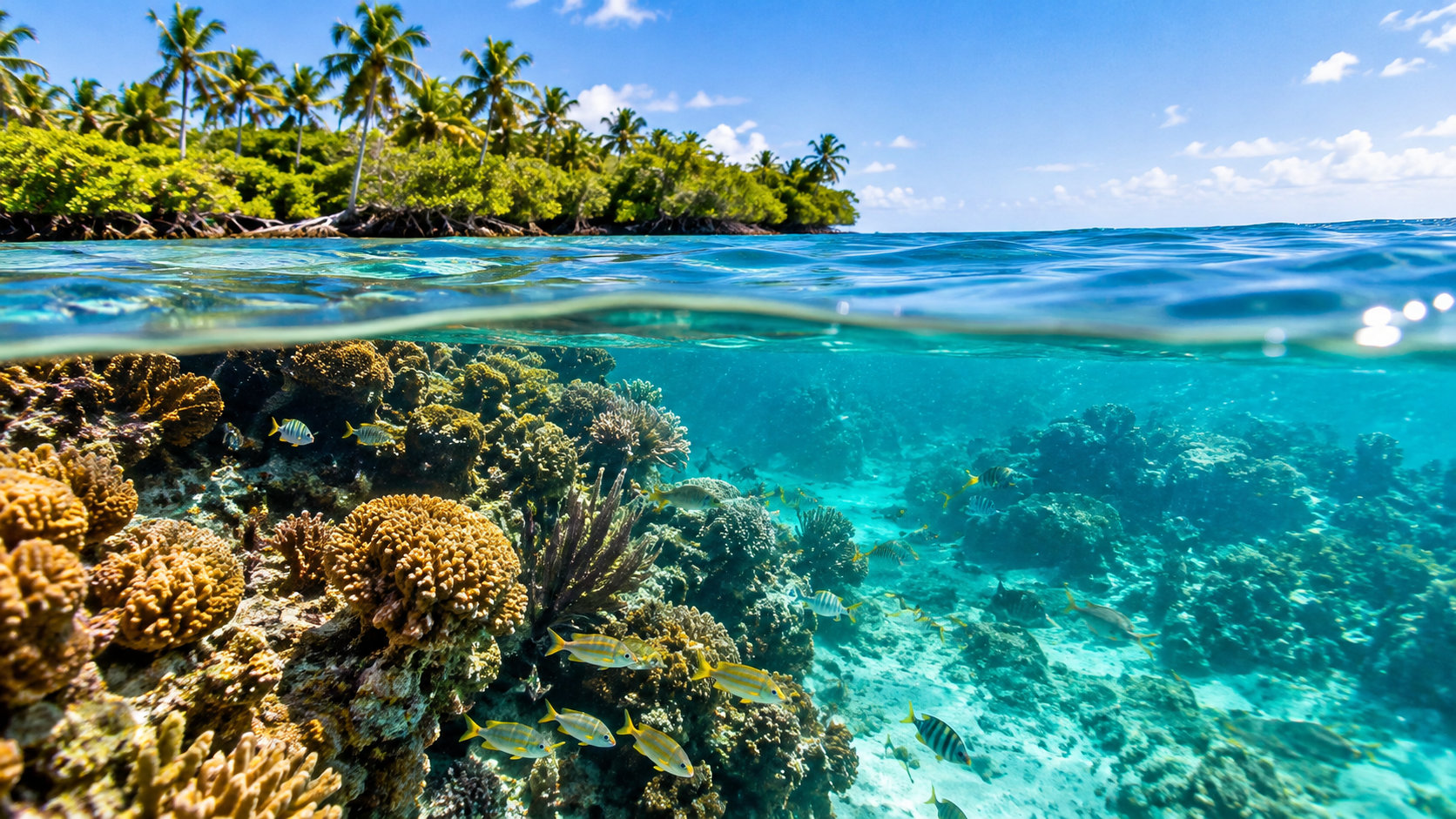
What Is the Florida Coral Reef?
The Florida Coral Reef is America’s only living barrier reef, a sweeping arc of coral habitat that runs roughly 350 miles from the clear shallows off Miami and Biscayne Bay past the Florida Keys to the Dry Tortugas. Locals call it the Reef Tract. You can reach it by boat from Miami, Key Largo, Islamorada, Marathon, the Lower Keys, Key West, and—on longer day trips—from Dry Tortugas National Park. It’s protected within the Florida Keys National Marine Sanctuary as well as state parks and other managed areas, with rules designed to keep corals and seagrass intact for the next generation. For sanctuary zones, mooring buoy maps, and reef protection rules, start with the official sanctuary site at Florida Keys National Marine Sanctuary.
This reef system isn’t one continuous wall; it’s a chain of shallow patch reefs, spur-and-groove formations, and deeper outer reefs. That mix makes the florida coral reef friendly to beginners and a playground for experienced divers. Snorkelers drift over coral gardens in 8–20 feet, while divers kick along ledges and swim-throughs at 30–60 feet and beyond. Restoration work is visible at a number of sites, where organizations outplant nursery-raised elkhorn and staghorn corals—two branching species that form critical fish habitat. Guided trips run daily from John Pennekamp Coral Reef State Park in Key Largo, marinas throughout the Keys, Biscayne National Park off Miami, and by ferry or seaplane to the reefs near the Dry Tortugas.
Best Time to Visit & Conditions
Seasons
Late spring through early fall usually brings the calmest seas and the best visibility on the reef. Expect warm water, gentler winds, and long snorkeling and diving days. Winter is still very diveable, but cold fronts bring choppier seas and cooler water. If your schedule is flexible, plan for a two- to three-day window so you can jump on the best weather day.
Water Temps & Visibility
Water temperatures range from about 70–74°F in mid-winter to 86–88°F in late summer. A shorty wetsuit helps in winter; in summer, a rash guard and reef-safe sunscreen do the trick. Visibility swings with wind and tides: 30 feet is common after a blow; glassy summer days can push past 80 feet at offshore reefs. If you’re booking a morning trip you’ll often find lighter winds and clearer water than in the afternoon.
Weather Risks
Hurricane season runs June through November. Keep an eye on marine forecasts and small craft advisories, and let your operator call the weather—cancellations for wind or storms are normal. For the latest Keys marine forecast and sea conditions, check the National Weather Service – Key West. Choosing tours with free-cancellation windows makes weather pivots easier.
Top Reefs and Destinations
Key Largo & Pennekamp
Key Largo is the classic starting point for the florida coral reef. Boats from John Pennekamp Coral Reef State Park reach Molasses, French, and Grecian Reefs in 15–40 minutes, so you spend your time in the water instead of commuting. Molasses Reef is a sprawling complex: coral canyons, sandy fingers, cleaning stations buzzing with wrasse. Shallow spur-and-groove areas make it a crowd-pleaser for snorkelers; head a little deeper and you’ll find grottos and resident turtles for divers. French Reef is known for caverns and swim-throughs like Hourglass Cave, while Grecian Reef offers easy snorkeling above brain and star corals with frequent yellowtail snapper schools.
Pennekamp also hits nearby patch reefs, which are perfect for mixed groups with new swimmers. The park has its own marina, gear rentals, and beaches for post-snorkel downtime. For hours, fees, and reservation info, see Florida State Parks.
Islamorada & Marathon
Mid-Keys operators tap a string of shallow patch reefs and ledges that shine on calmer days: Alligator Reef Light, Cheeca Rocks, Hen and Chickens, Sombrero Reef off Marathon. Expect fields of sea rods, mounded brain coral, and schooling grunts. These areas are ideal for families and first-timers who want shorter run times and gentler depths, plus nearby wrecks for the divers in the group—think the Thunderbolt off Marathon for an advanced two-tank morning while the rest of the crew snorkels a patch reef in the afternoon.
Lower Keys & Looe Key
Looe Key, off Big Pine Key, is a top-tier snorkeling reef. Don’t let the name fool you—it’s a reef, not an island. Mooring balls ring a horseshoe-shaped coral formation with shallow coral gardens on the north side and deeper spur-and-groove to the south. Snorkelers float over elkhorn thickets and clouds of sergeant majors; divers drop to the outer edge for schooling jacks and the occasional cruising reef shark. Trips depart from Big Pine, Ramrod, and Bahia Honda.
Key West
From Key West, boats fan out to Sand Key Light and the Western Sambo reef system. Western Sambo lies within a Sanctuary Preservation Area with healthy soft corals, sea fans, and thriving fish life on calmer days. Several operators run combo trips—reef snorkeling by day, sails at sunset—so you can round out the experience with a golden-hour glide past Mallory Square.
Dry Tortugas
If you want remote, this is it. The Dry Tortugas sit 70 miles west of Key West. Ferries and seaplanes make the run as a day trip, but bring a sense of adventure. Snorkeling around the island’s nearshore reefs and the fort’s historic walls is shallow and clear, and the offshore reefs see far fewer boats than anywhere else in the Keys. Availability is limited and weather-dependent, so reserve well ahead and build in buffer days.
Ways to Experience the Reef
Snorkeling
Guided snorkel tours are the easiest entry point to the florida coral reef. Catamarans and dive boats anchor or tie to mooring buoys at shallow sites and set you up with masks, fins, and snorkels. Ladders, flotation belts or noodles, and a safety briefing are standard. Crews know how to pick sites for the day’s wind and tide—one captain’s choice can make or break your visibility and comfort. Many operators offer short 2.5–3 hour trips with two reef stops; families often prefer morning departures for lighter winds.
Scuba Diving
Certified divers can book two-tank charters that pair a shallow reef with a deeper site or wreck. Expect 40–60 minute dives, with surface intervals on board as the boat repositions. New divers can try a “discover scuba” session: a pool or dockside lesson, then a shallow guided ocean dive at a calm reef with an instructor. Advanced divers have their pick of deeper ledges and wrecks dotting the Upper and Middle Keys. Carrying a dive computer and staying within no-decompression limits are standard practices; for best-practice medical and safety guidance, review the resources from Divers Alert Network before you go.
Glass-Bottom & Sailing
Non-swimmers and multi-generational groups love glass-bottom boats, which hover above living coral and let you watch parrotfish graze and rays glide without getting wet. Sail-powered reef trips are common from Key West and Key Largo, pairing steady platforms with shade and a relaxed pace. Private charters—power or sail—allow flexible itineraries, photography time, and quiet reef sessions outside peak windows.
Nearshore, guided kayak and stand-up paddleboard eco-tours skim over seagrass and mangrove shallows that act as nurseries for the reef. You’ll spot juvenile barracuda, needlefish, and upside-down jellies while learning how clean grass beds feed healthy coral.
Marine Life You May See
Fish life is the pulse of the florida coral reef. On almost every trip, you’ll swim through clouds of yellow goatfish, blue-striped grunts, and schools of sergeant majors. Parrotfish crunch algae off coral with audible snaps; angelfish cruise by like slow-moving confetti. Look closer and you’ll find cleaner shrimp waving from anemones, decorator crabs tucked into sponges, and banded coral shrimp in crevices.
- Reef fish: parrotfish, angelfish, butterflyfish, grunts, snappers, chromis, wrasse.
- Iconic corals: elkhorn and staghorn branches, boulder and brain corals, star coral mounds—hands off to protect living tissue.
- Headliners: green and hawksbill sea turtles, spotted eagle rays, nurse sharks, southern stingrays, and occasional dolphins on the ride out.
- Invertebrates: sea urchins, anemones, sea cucumbers, tube sponges, sea fans, and the odd octopus at dusk.
- Seasonal visitors: spring tarpon around bridges and channels, goliath and black grouper on deeper edges, schools of bar jacks and horse-eye jacks sweeping the outer reef.
Early and late in the day tend to be fishier; calm, sunny afternoons highlight the reef’s colors for snorkelers. In summer, watch for turtle sightings on reefs near seagrass beds, where they graze.
Responsible Tourism & Reef Rules
Treat the reef like a living museum. Do not touch, stand on, or collect coral or marine life—ever. Even a gentle brush can damage coral tissue. Maintain a few feet of space when photographing turtles and rays, and let wildlife set the distance. If you’re diving, keep your fins up and your buoyancy dialed in before approaching a reef ledge. Snorkelers can use a flotation belt to stay horizontal and off the coral.
Use mineral, reef-safe sunscreen (zinc oxide or titanium dioxide) or better yet, wear UPF clothing and apply lotion before you board so it has time to absorb. Boats should tie to mooring buoys at marked sites and never drop anchor on coral or seagrass. Sanctuary Preservation Areas and other no-take zones are clearly marked on charts and with on-water signage; obey all zone boundaries. For official sanctuary rules, zone maps, and mooring buoy locations, consult the Florida Keys National Marine Sanctuary. Pack out all trash, secure loose items on deck, and leave shells and live sand dollars in the sea.
Safety, Permits & Skills
Choose operators that deliver a clear safety briefing, provide flotation on request, and are willing to reschedule when winds kick up. Good captains choose sites to match the day’s conditions and the group’s comfort level. Snorkelers should be comfortable swimmers who can clear a snorkel, kick 50–100 yards, and float calmly. If you’re rusty, ask for a noodle or vest and stay within arm’s reach of the boat ladder on your first drop.
Certified divers should bring certification cards, dive computers, and signaling gear, and follow conservative no-decompression limits. Many boats require a computer for deeper dives and will pair buddies by experience. New divers benefit from a guided first dive at an easy reef before hopping on a wreck or a deeper ledge. For health screening tips, ascent practices, and emergency planning, read the guidance from Divers Alert Network.
On the water, watch for currents, jellyfish (more common after onshore winds), and boat traffic. Stay with your guide or buddy and keep a visual on the boat’s flag and crew at all times. In the Sanctuary and state-managed reefs, commercial charters handle permits and required flags; if you’re heading out on your own, know local rules and stay within marked mooring fields.
Sample Reef-Focused Itineraries
Build your reef time around calm mornings, and stack backups for windy days. Here are easy, bookable combos that hit the highlights.
Key Largo in 2 Days
Day 1: Morning snorkel at Molasses Reef with a Pennekamp-based operator. You’ll likely do two shallow stops—Molasses and a nearby patch reef. Afternoon: recover at Cannon Beach inside the park, then visit the Florida Keys Wild Bird Center up the road. Evening: grab conch fritters at Mrs. Mac’s and turn in early.
Day 2: Choose your adventure. Divers book a two-tank trip—one reef, one wreck. New divers pick a discover scuba session with a pool intro, then a 25–30 foot reef dive. Non-divers join a glass-bottom tour or a shallow Grecian Reef snorkel. End with a sunset sail out of Key Largo’s Blackwater Sound.
Lower Keys Day: Looe Key + Backcountry
Morning: Looe Key snorkel from Big Pine or Ramrod Key. Ask the captain to start on the shallow north side for warm-up before circling to the spur-and-groove along the south edge if seas allow. Lunch at No Name Pub or Boondocks.
Afternoon: Kayak eco-tour in the Lower Keys backcountry. Glide through mangrove creeks, spot cushion sea stars on sandy flats, and learn how these nurseries feed the offshore reef. If winds pick up, swap in Bahia Honda State Park beach time and a stroll over the old bridge.
Key West Weekend
Day 1: Morning reef snorkel to Western Sambo or Sand Key. Afternoon: explore Old Town on foot—Duval Street for people-watching, then the Key West Lighthouse. Evening: sunset cruise with live music, or a quiet catamaran sail past Sunset Key.
Day 2: Dry Tortugas day trip by ferry or seaplane. Snorkel the moat wall and adjacent patch reefs, walk the ramparts, and watch frigatebirds and terns wheel overhead. Back in Key West, toast the day with Key lime pie at Blue Heaven.
Family Sampler
Morning: Glass-bottom boat tour—great first look at corals and fish without the splash. Midday: Shallow patch reef snorkel with flotation on request; keep it short and sweet for kids. Afternoon: Beach time at Sombrero Beach in Marathon or Harry Harris Park in Key Largo, with space to rinse gear and relax.
Where to Base & How to Book
Key Largo
If your goal is maximum reef time, base in Key Largo. Boat rides are short, operators are plentiful, and you can pivot between Molasses, French, Grecian, and nearby patches depending on conditions. Staying near Mile Markers 100–104 keeps you close to Pennekamp’s marina and morning departures. Book early during spring break and summer weekends, and grab morning slots for calmer seas.
Islamorada–Marathon
For central access and family-friendly resorts, the Middle Keys are easy. You’ll split the distance between Upper and Lower Keys reefs, and you’ll have a deep bench of shallow sites for mixed-ability groups—Cheeca Rocks, Alligator Reef, Hen and Chickens, and Sombrero Reef among them. Divers can pair reef dives with wrecks like the Thunderbolt; anglers can chase tarpon at the bridges in late spring.
Key West
Key West adds nightlife and dining to your reef plan. You’ll have access to Western Sambo and Sand Key, plus the big-ticket Dry Tortugas excursions. Many operators run combo trips—reef in the morning, sunset in the evening—so you can sample more in a weekend. If you’re aiming for seaplane seats to the Tortugas, book weeks ahead and watch the forecast.
Booking tips:
- Target morning trips for lighter winds and smoother seas.
- Choose operators with small-group ratios, reef-safe practices, and included gear—mask defog, flotation, and instruction for first-timers.
- Opt for free-cancellation or weather-flex policies; windy days happen.
- Confirm whether your boat ties to mooring buoys and avoids anchoring on coral—standard practice in the Sanctuary per NOAA guidance.
- Check marine forecasts with the NWS Key West the evening before and morning of your trip.
Practical Tips for a Better Reef Day
Pack reef-safe sunscreen and apply 30 minutes before boarding. Bring a long-sleeve UPF top, hat, and polarized sunglasses; the sun on the water is intense. If you wear prescription glasses, arrange a prescription mask rental or bring your own. Seasick-prone? Take medication the night before and a light snack before boarding—ginger chews help. On the boat, keep your mask on your face or around your neck so it doesn’t go overboard, and rinse gear with fresh water after the trip so it’s ready for round two.
Most boats provide water coolers—bring a refillable bottle. Tuck a small drybag with a towel, a spare rash guard, and a ziplock for your phone. Tip the crew; they keep you safe, swap out fin sizes on the fly, and know where the turtles hang.
Planning Your Route Along the Reef
Driving the Overseas Highway (US 1) strings the experience together. Fly into Miami and be on a Key Largo snorkel boat by late morning, then hop south for a Looe Key day and finish with a Key West sunset sail. If you’re starting in Miami without a car, Biscayne National Park runs snorkel and glass-bottom trips from the mainland; from there it’s two hours by shuttle or rental to Key Largo. Build buffer days around Dry Tortugas plans and keep afternoons flexible for wind. The florida coral reef rewards patience—a calm morning over a living coral garden beats any checklist.
Stay Current on Rules and Conditions
Regulations and site access can change with restoration work and weather. For sanctuary zones, mooring rules, and responsible snorkeling and diving practices, check the Florida Keys National Marine Sanctuary before your trip. For daily winds, seas, and thunderstorm chances across the Keys, the National Weather Service – Key West offers the most up-to-date marine forecasts. If you’re planning deeper dives or haven’t been in the water for a while, refresh your safety knowledge with Divers Alert Network. And if Key Largo is on your list, verify park hours and services with Florida State Parks so you can time your launch and beach time just right.
Frequently asked questions
When is the best time of year to snorkel or dive the Florida Keys reef?
Late spring through early fall usually has the calmest seas and best visibility. You’ll get warm water, gentler winds, and long days, while winter remains diveable but sees more cold fronts and choppier seas. If you can, plan a two- to three-day window so you can jump on the best weather day.
What are typical water temperatures and visibility on the Florida Coral Reef?
Water temperatures range from about 70–74°F in mid-winter to 86–88°F in late summer. Visibility varies with wind and tides, often around 30 feet after a blow and over 80 feet on glassy summer days at offshore reefs. Morning trips frequently have lighter winds and clearer water than afternoons.
How long are Florida Keys snorkel tours and is gear provided?
Many operators run short 2.5–3 hour snorkel trips with two reef stops. Boats provide masks, fins, and snorkels, plus ladders and flotation belts or noodles, along with a safety briefing. Families often prefer morning departures for lighter winds.
Which reefs can I reach from Key Largo, Islamorada, Marathon, the Lower Keys, or Key West?
From Key Largo, boats out of John Pennekamp reach Molasses, French, and Grecian Reefs in 15–40 minutes. Mid-Keys trips hit Alligator Reef Light, Cheeca Rocks, Hen and Chickens, and Sombrero Reef, while the Lower Keys focus on Looe Key. From Key West, operators head to Sand Key Light and the Western Sambo system.
How far are the Dry Tortugas from Key West and how early should I book?
The Dry Tortugas sit about 70 miles west of Key West. Ferries and seaplanes make day trips, but availability is limited and weather-dependent, so reserve well ahead and build in buffer days. Snorkeling there includes shallow, clear nearshore reefs and the fort’s historic walls.
Is winter snorkeling or diving in the Florida Keys still good, and are mornings better than afternoons?
Yes, winter is still very diveable, though cold fronts can bring choppier seas and cooler water; a shorty wetsuit helps. Morning trips often offer lighter winds and clearer water than afternoons. If your schedule allows, keep a two- to three-day window to catch the best conditions.